A cyclone is the only major disaster that tells you it is coming. Days in advance, with a name, a track and a landfall estimate. Nothing else on this site gives that kind of notice.
And yet the deaths cluster around a small set of predictable decisions, made in the last hours by people who knew a storm was coming and misjudged which part of it would hurt them.
The misjudgement is almost always the same one: people prepare for wind, and the water kills them.
The category number is not a danger rating
Cyclone categories — whatever scale your region uses — measure sustained wind speed. That is all they measure. They say nothing about the storm's size, its forward speed, how much rain it will drop, or how much sea it will push ahead of it.
Two storms of the same category can be entirely different events. A compact, fast-moving one may pass in hours with wind damage and little else. A large, slow one of the same category can sit over a region for a day, drop enormous rainfall, and drive a far bigger surge simply because it is pushing on more water for longer.
So a lower category is not permission to stay. Some of the deadliest storms on record were unremarkable by wind category and catastrophic by water.
Storm surge is the thing to plan around
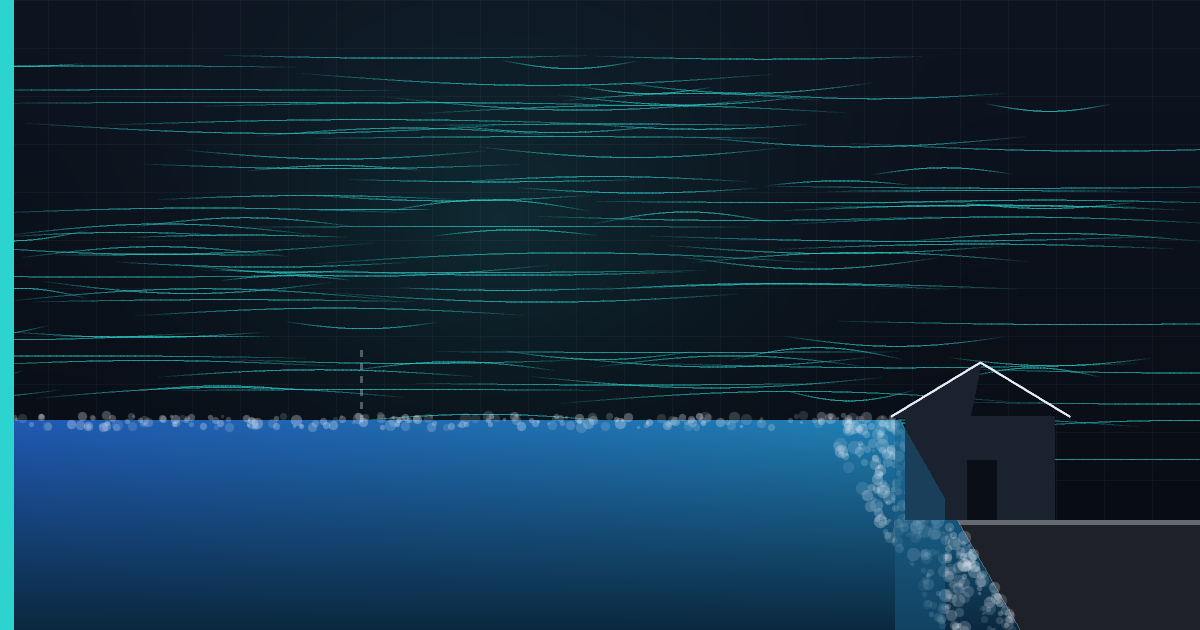
Storm surge is sea water pushed ashore by the storm — not waves on top of the normal tide, but the whole sea level rising, sometimes by several metres, and moving inland with force.
It matters more than wind for three reasons:
- It arrives fast. Not a slow flood you can watch develop — a rise that can cut off a road in minutes.
- It is driven by geography as much as by the storm. A shallow, gently sloping coast or a funnelling bay concentrates surge dramatically. The same storm produces very different water depths a few kilometres apart.
- Moving water needs very little depth to kill. This is the point our flood safety guide exists to make, and it applies with full force here.
The practical consequence: evacuation decisions are about water, not wind. If the authorities tell you to leave a surge zone, the question is not how strong the wind will be at your house.
Evacuate from water; shelter from wind
These two instructions sound contradictory until you separate the hazards.
You leave if you are in a surge zone, on a coastal plain, on low ground near a river mouth, in a flimsy structure, or in a place the authorities have named. Leaving means going a relatively short distance inland or uphill — often only kilometres — not fleeing the region.
You shelter if you are in a solid building outside the water risk. The wind is survivable indoors in a sound structure; the water frequently is not, anywhere.
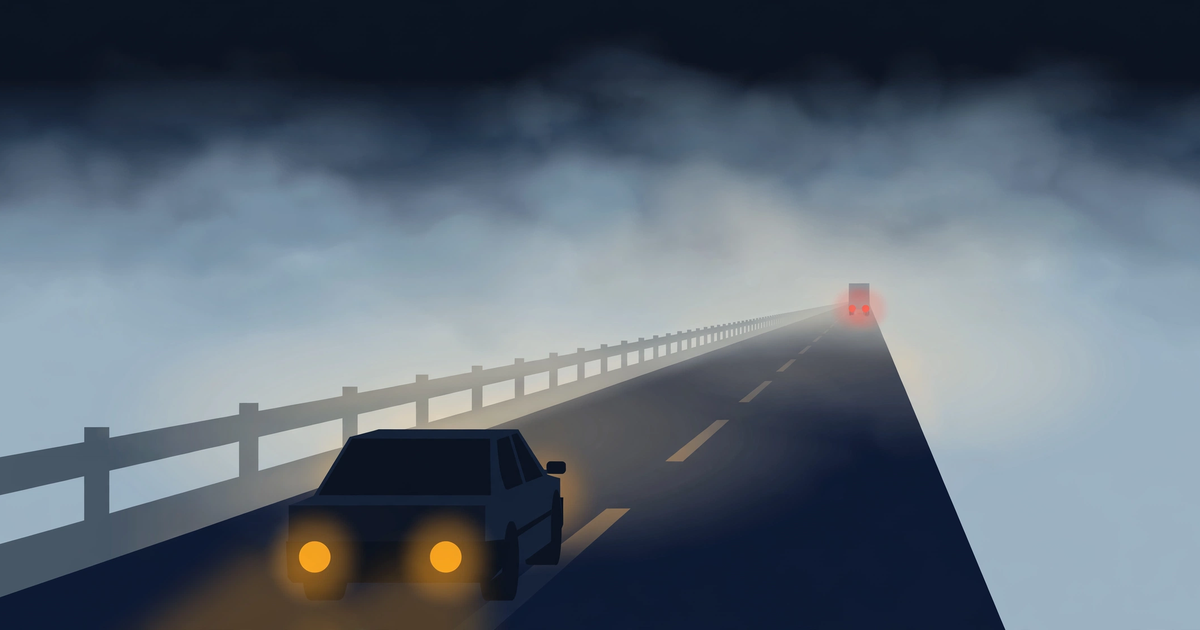
Leave early. The window closes long before landfall, because roads flood, bridges close and winds make driving dangerous well ahead of the eye. An evacuation begun late is often more dangerous than sheltering, which is precisely the trap.
The eye is the most dangerous calm you will ever experience
If the eye passes over you, the wind stops, the rain stops, and the sky may clear. It can last several minutes to an hour.
People go outside. They inspect damage, move vehicles, look for relatives. Then the far wall of the eye arrives — with the wind coming from the opposite direction, at full strength, hitting structures already weakened from the other side, and throwing debris that is now loose.
If the wind stops suddenly during a cyclone, assume you are in the eye and stay inside.
Before the season, and before the storm
Before the season
- Find out whether you are in a surge or flood zone. This is the single most useful fact about your home, and it takes one enquiry to your local authority.
- Know your evacuation route and shelter, and how you would reach it without a car.
- Trim trees and secure the roof. Most flying debris in a residential area was, hours earlier, somebody's sheeting, water tank or signboard.
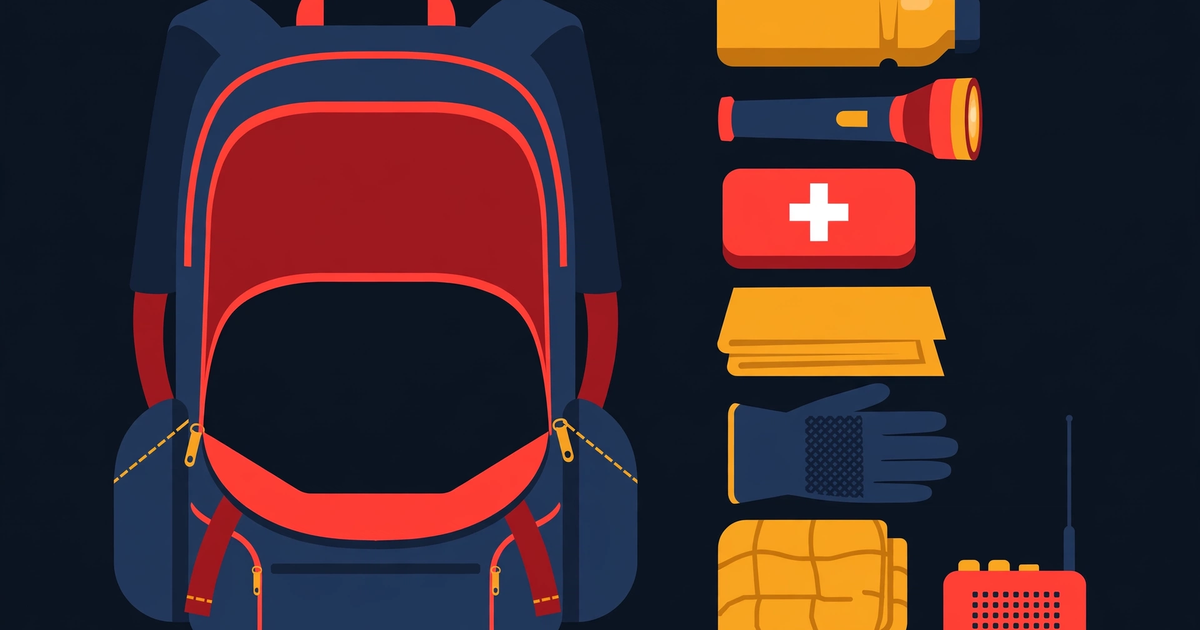
- Keep documents in a waterproof bag along with what is in our emergency kit checklist.
When a warning is issued
- Fill water containers. Supply and treatment fail routinely after landfall, and this is what turns a survivable storm into a health emergency — see disease after a disaster.
- Charge everything, and keep a radio that works without mains power.
- Bring loose objects inside — furniture, tools, pots, anything the wind can pick up.
- Fuel and cash. Pumps and card terminals stop when the power does.
- Medicines for a week, not for tomorrow.
- Agree where the family meets and one out-of-area contact everyone can call, because local networks fail first.
During
- Stay in an interior room, away from windows, on the lowest floor that is not at risk of flooding.
- Do not tape windows. It does not prevent breakage and produces larger shards.
- Do not go outside to film it.
- If water enters, move up — but never into a sealed attic with no way out onto the roof.
After: the part people underestimate
A large share of cyclone deaths happen after the storm has passed, and the causes are mundane:
- Downed power lines in standing water. Assume every line is live.
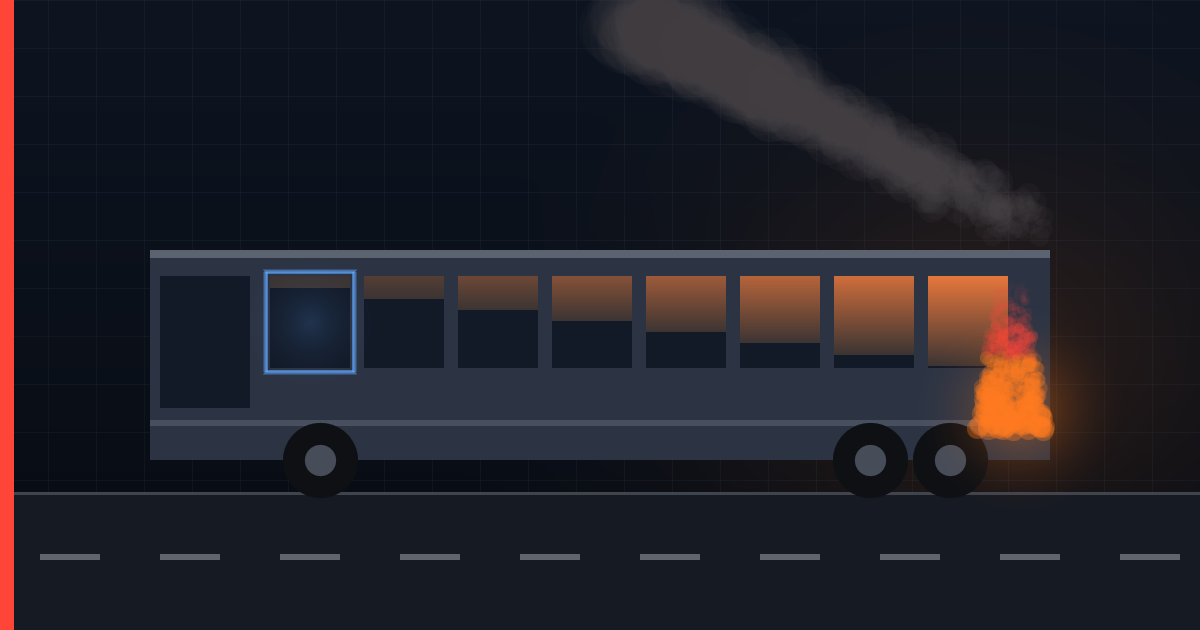
- Generators run indoors or in a garage. Carbon monoxide kills silently, and this is one of the most reliable post-storm killers there is — see the gas and carbon monoxide guide.
- Wading or driving through floodwater that hides open drains, washouts and debris.
- Contaminated water, which arrives within days.
- Weakened structures — see building collapse warning signs before re-entering a damaged building.
What our records show
Cyclones are one of the better-covered hazards in our data. Alerts come from the UN's GDACS system with official colour levels, from the US National Weather Service, from Meteoalarm across Europe, and from NASA EONET satellite observation — so our cyclone records and storm records do not depend on journalism the way most of our categories do.
The honest caveats still apply. Most of what we record are warnings and alerts, not confirmed damage: a busy storm feed usually means an active season being monitored, not a series of disasters. Our counts are detections, not occurrences, and severity here is a monitoring signal rather than an impact assessment. The full explanation is in how we track every incident on Earth and on the about page.
Nothing on this site is an official warning service. In a real storm, follow your national meteorological authority.
You can browse the archive on the incident record, see records by country, download the data from the data page, or set free alerts for your area before the season starts.
The short version
The category tells you about wind and nothing about water, and water is what kills. Decide by whether you are in a surge or flood zone, not by how strong the wind sounds. Leave early or not at all. And if the wind suddenly stops, you are in the eye — the second half is coming from the other direction.
This article reflects established cyclone-preparedness guidance from national meteorological and disaster-management agencies. It is general information, not an official forecast or warning; always follow your local authority during an actual storm.