After every major disaster the same sentence appears in news reports within about forty-eight hours: authorities are rushing to bury the dead to prevent an outbreak of disease. It is one of the most repeated claims in disaster coverage, and it is wrong.
It also causes real harm. Believing it leads to hurried mass burials without identification, which leaves families without answers for years and creates legal problems over inheritance, guardianship and property. And it points attention at the one thing that is not the danger, while the things that are get less.
The myth, and what the evidence says
The claim that dead bodies cause epidemics has been examined directly. A review published in the Pan American Health Organization's peer-reviewed journal, and repeated in PAHO and WHO guidance since, found no evidence that bodies after a natural disaster pose an epidemic risk. Three findings sit behind that:
- People killed in disasters die of trauma, drowning or burns — not of infectious disease. They were, in general, no more likely to be carrying a dangerous pathogen than the neighbours who survived.
- The organisms that cause epidemics do not survive long in a body. Cholera, typhoid and similar agents need a living host or favourable conditions; they do not persist and spread from the deceased in the way the myth assumes.
- Survivors are the more likely source of an outbreak — not because of anything they have done, but because of the conditions they are now living in.
There is one genuine exception worth stating plainly: people handling bodies — rescue workers, mortuary staff, volunteers — face a modest occupational risk from bloodborne infection and should use gloves, wash properly and be vaccinated against hepatitis B. That is a workplace precaution, not a public epidemic risk, and it is a very different thing from burying people unidentified in a hurry.
What actually drives disease after a disaster
Outbreaks after disasters are almost entirely about the living, and specifically about four things breaking at once:
- Water supply and sanitation fail. Sewage and drinking water mix. This is the single largest driver.
- People are displaced into crowded shelters. Diseases that need close contact spread easily where hundreds of people share a room and a latrine.
- Routine healthcare stops. Vaccination rounds are missed, chronic treatment is interrupted, clinics are damaged or unreachable.
- Standing water accumulates and mosquitoes breed in it, weeks after the flooding itself has gone.
Notice what these have in common: they are all fixable, and none of them involve the dead.
The rough timeline of risk
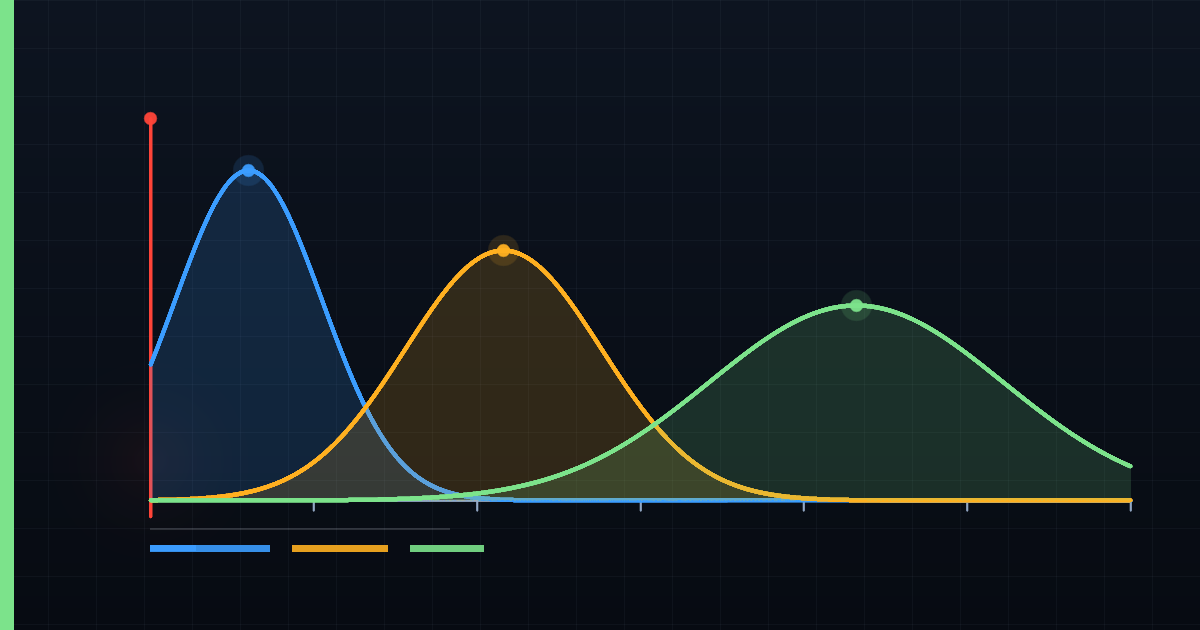
Post-disaster disease does not arrive all at once. It comes in waves, and knowing roughly when each is due tells responders what to prepare for.
Days 1–7: water and wounds
Diarrhoeal disease is the first and most common, driven by contaminated water. Cholera appears where it is already endemic and sanitation has collapsed. Separately, wound infection and tetanus risk begins immediately for anyone injured in the event itself — a cut sustained in floodwater is not a clean cut.
Weeks 2–4: crowding
Respiratory infections spread in shelters. Measles becomes a serious threat wherever vaccination coverage was already low — it is one of the few post-disaster diseases capable of killing large numbers of children quickly, and it is entirely preventable. Hepatitis A and typhoid appear in this window too where water remains unsafe.
Weeks 4 onwards: vectors
Mosquito-borne illness arrives late, because breeding sites need time to establish. Dengue, malaria and chikungunya rise weeks to months after the water has receded — long after the cameras have left, which is part of why this phase is chronically under-resourced. Leptospirosis, spread through water contaminated with animal urine, also shows up in this period among people who waded through floodwater.
What actually prevents it
- Safe drinking water, first and above everything. More post-disaster deaths are prevented by clean water than by any other single intervention. Boiling, chlorination or purification tablets — whichever is available.
- Working latrines, sited away from water sources. Unglamorous and decisive.
- Soap and handwashing. The cheapest intervention with the largest measured effect on diarrhoeal disease.
- Measles vaccination in displacement camps, treated as urgent rather than routine.
- Reducing crowding wherever it is possible to do so.
- Mosquito control after week two — draining standing water, nets, covering stored water.
- Restarting normal healthcare. People with diabetes, heart disease and tuberculosis do not stop needing treatment because a disaster happened, and interrupted treatment kills quietly.
And what to do about the dead
Handling the dead properly is a matter of dignity, law and the mental health of survivors — not of epidemic control. WHO and PAHO guidance is consistent on this: identify before burying. Photograph, record, keep whatever identifies a person, and use individual graves at a recorded location rather than an anonymous mass grave.
Families who never learn what happened to someone carry it for decades, and unidentified deaths block inheritance, remarriage, guardianship of children and insurance for years afterwards. The rush to bury quickly, justified by a health risk that does not exist, is one of the most damaging habits in disaster response.
How this shows up in our data
We record disease outbreaks continuously from WHO Disease Outbreak News, WHO's African regional office, the European CDC and local media in local languages. Over the last twenty-four-three days our outbreak tracker has logged around two hundred reports, concentrated in the Democratic Republic of the Congo, Nepal, Vietnam and Ghana.
Two honest caveats about those numbers. First, they count reports, not cases — one entry may describe an outbreak affecting thousands, another a handful. Second, a country with strong surveillance and an active press will appear more often than a country with the same disease burden and neither; the map shows where outbreaks are being reported, which is not the same as where they are happening.
You can see what has been recorded in the last day on today's page, browse by country such as Pakistan, download the underlying records from our open data page, or set up free alerts for your own country. If you know of an outbreak we have not recorded, please tell us.
Because most of this begins with water, our guide to flood safety covers the contamination side in more detail, and the emergency kit checklist lists what to have ready before any of it starts.
The short version
Dead bodies do not cause epidemics; the belief that they do leads to hurried burials that harm families for years. What causes disease after a disaster is broken water and sanitation, crowded shelters, missed vaccinations and standing water — in roughly that order, over roughly six weeks.
Clean water first. Identify the dead before burying them. Both of those are settled guidance, and both are still routinely ignored.
This article summarises published guidance from the World Health Organization and the Pan American Health Organization, including peer-reviewed work on infectious disease risk from dead bodies after natural disasters. It is general information, not operational medical or public-health advice for a specific emergency.