7 Sep 2026
World Incident Report: 31 August – 7 September 2026
7270 incidents recorded worldwide this week across 151 countries, including 428 rated severe or extreme. Full breakdown by type, country and notable events.
Read report →Explainers, incident deep-dives, preparedness guides and data-driven reviews — written alongside the live tracker, so every claim links to the record behind it.
7270 incidents recorded worldwide this week across 151 countries, including 428 rated severe or extreme. Full breakdown by type, country and notable events.
Read report →7408 incidents recorded worldwide this week across 151 countries, including 438 rated severe or extreme. Full breakdown by type, country and notable events.
Read report →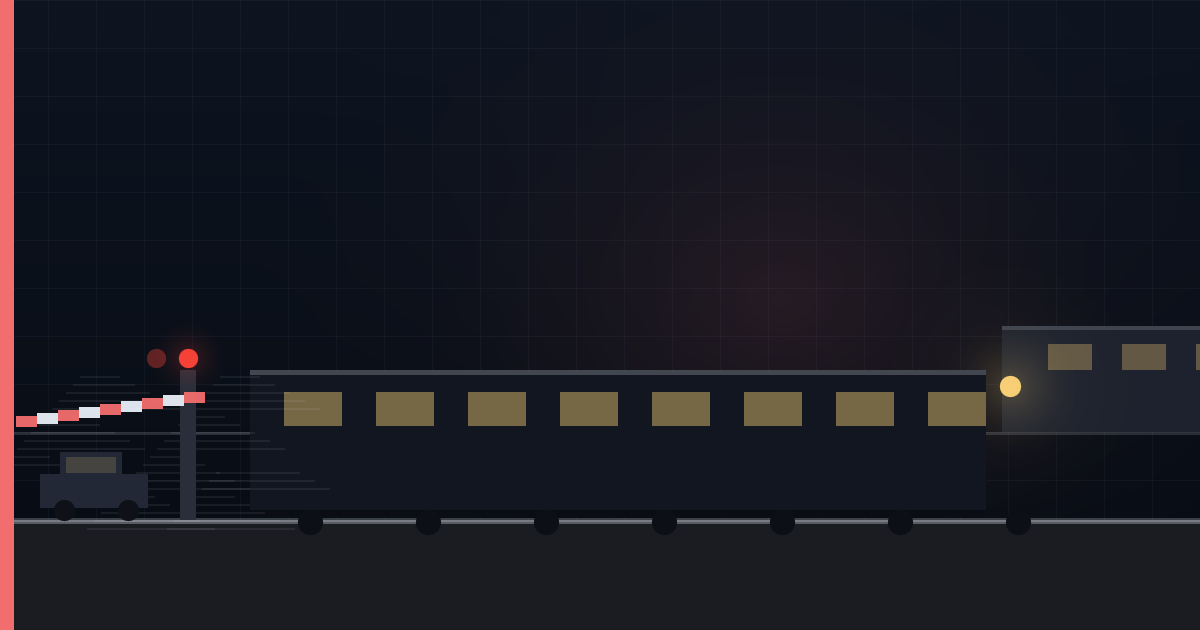
Rail is among the safest ways to travel, and almost everyone killed on a railway was on the track rather than on a train. The second train hidden behind the first, the stalled vehicle, and the platform edge — with the one instruction that feels wrong and is right.
Read report →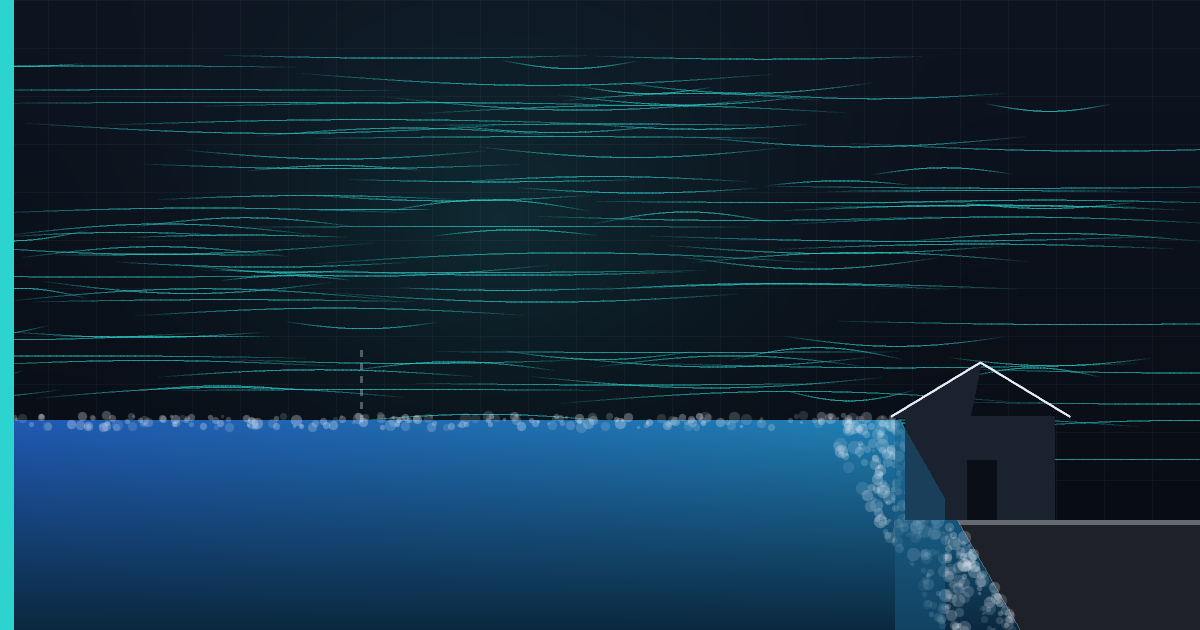
A cyclone is the only major disaster that gives you days of notice, and the deaths still cluster around a few predictable decisions. Almost all of them come from the same mistake: people prepare for the wind, and the water kills them.
Read report →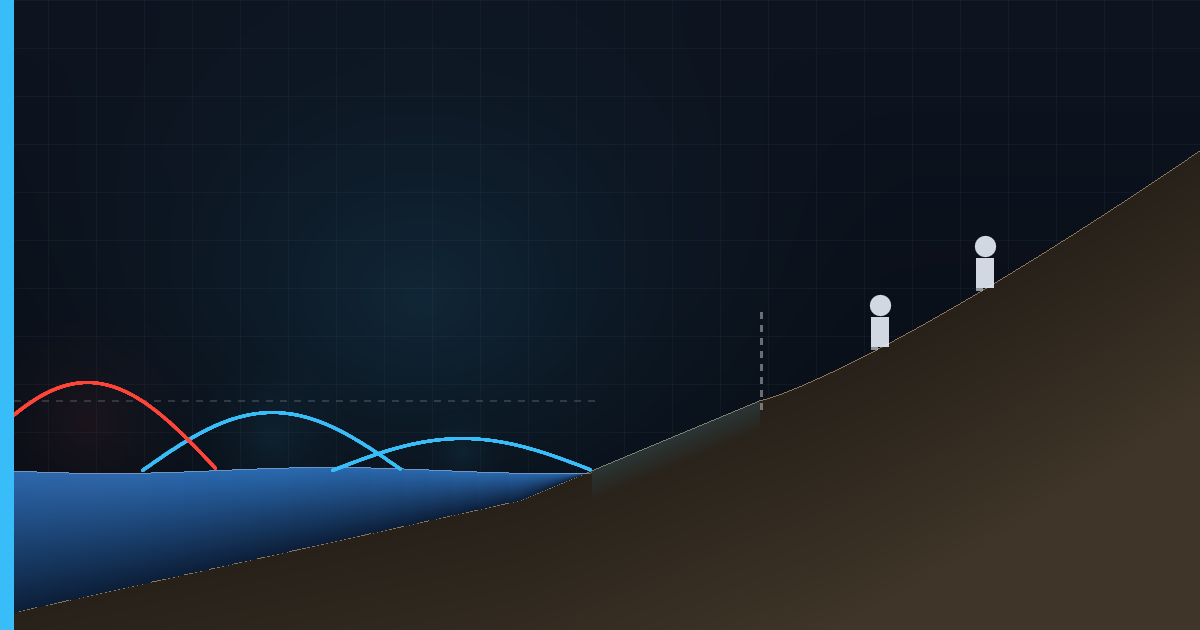
Tsunami warning systems work well — except for the people closest to the earthquake, who are also in the most danger. They have to recognise it themselves, and there are only three signs to know. The most important one is not how strong the shaking was, but how long it lasted.
Read report →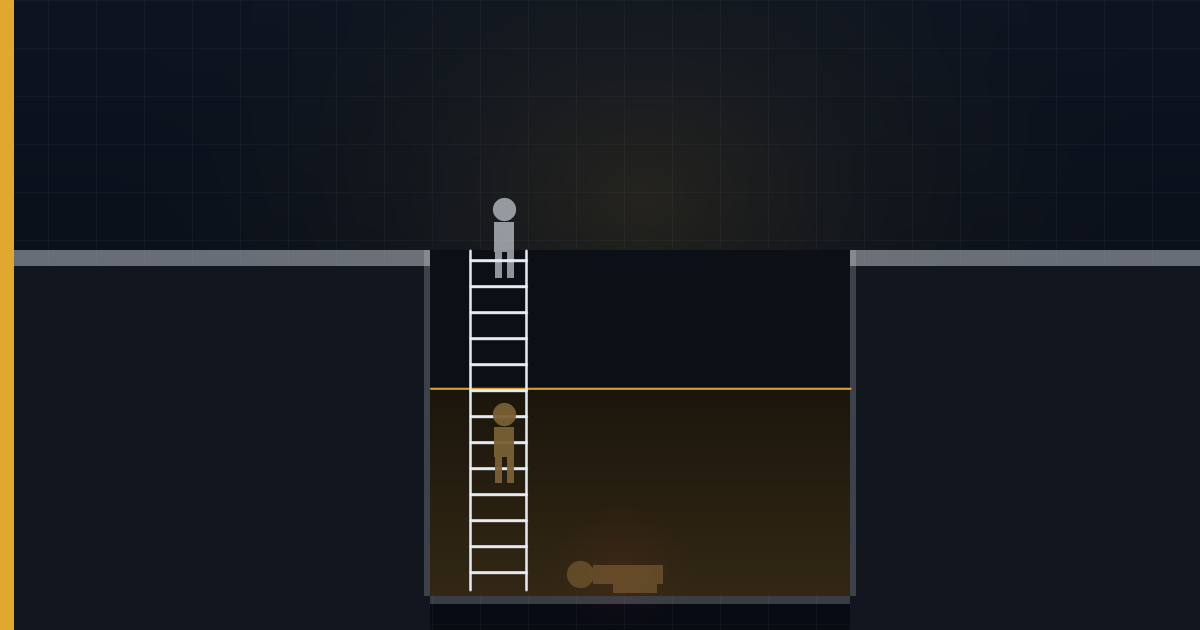
The most preventable multiple-fatality pattern we track: one man goes into a septic tank, a well or a pit and drops, and the people who go in after him make up most of the dead. Why the danger is invisible, why hydrogen sulphide stops smelling exactly when it turns lethal, and what to do instead.
Read report →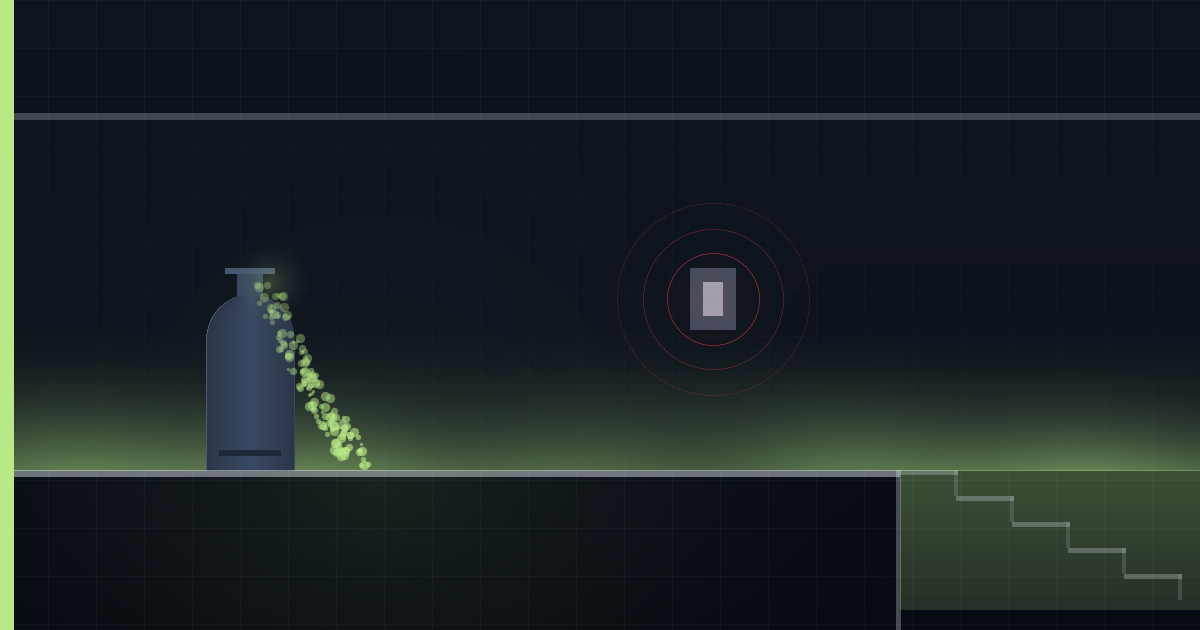
A gas leak does not become a fire, it becomes an explosion — because the gas fills the room before it finds a spark. LPG sinks rather than rises, the hose is the part that almost always fails, and the instinctive reaction of reaching for a switch is the one that sets it off.
Read report →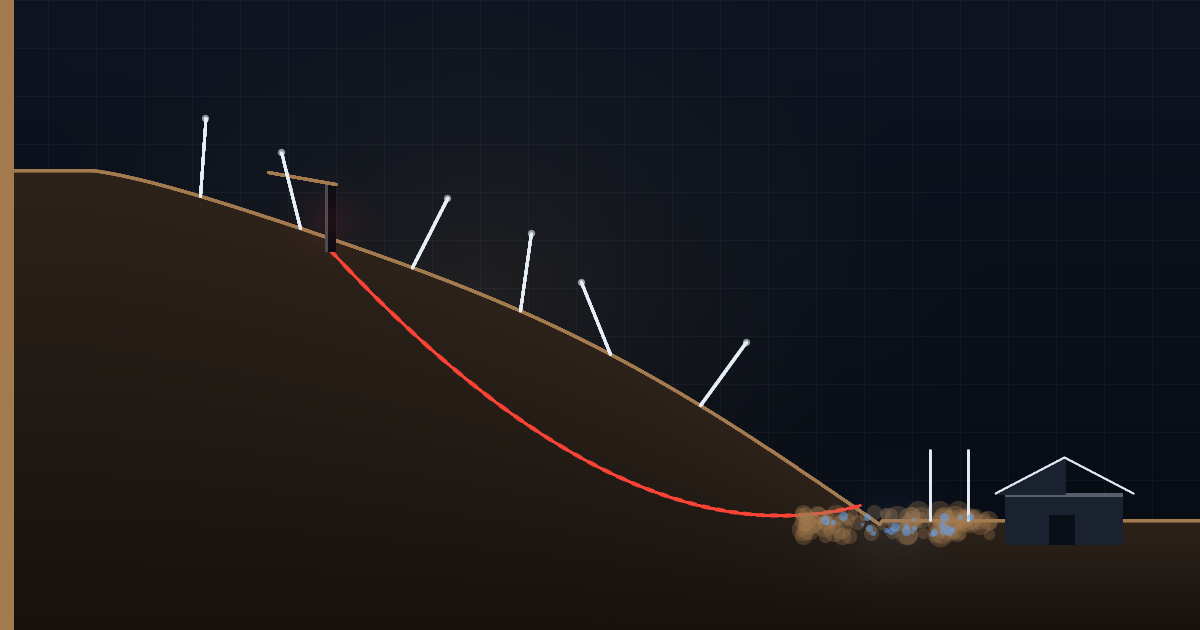
Landslides are treated as the disaster nobody could have seen coming, but a great many slopes announce themselves first — over days, in changes that look like maintenance problems rather than warnings. Here is what a slope does before it goes, and why the danger runs on after the rain stops.
Read report →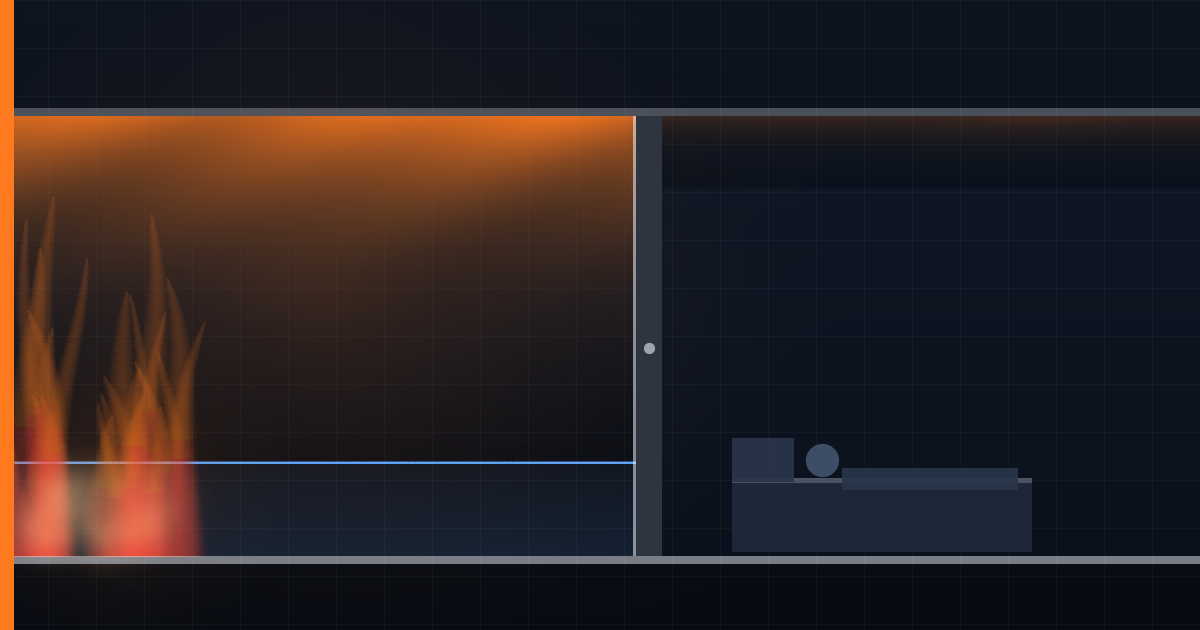
Almost everyone's fire plan is "I will smell smoke and get out". The sense of smell shuts down during sleep, and the gases from a fire deepen unconsciousness rather than disturbing it. What actually kills, how little time a modern room gives you, and why a closed bedroom door is the cheapest safety
Read report →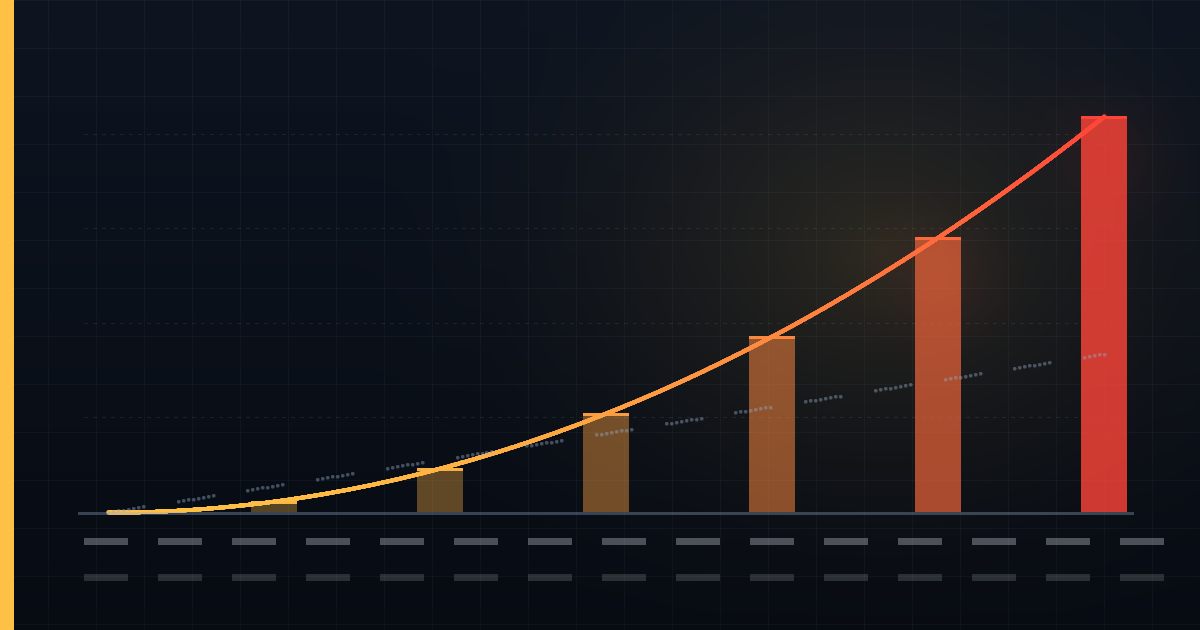
Most road deaths are not caused by reckless drivers. They are caused by careful people making reasonable-feeling decisions in a system where a small increase in speed produces a very large increase in energy — and by the rear seatbelt nobody in the back is wearing.
Read report →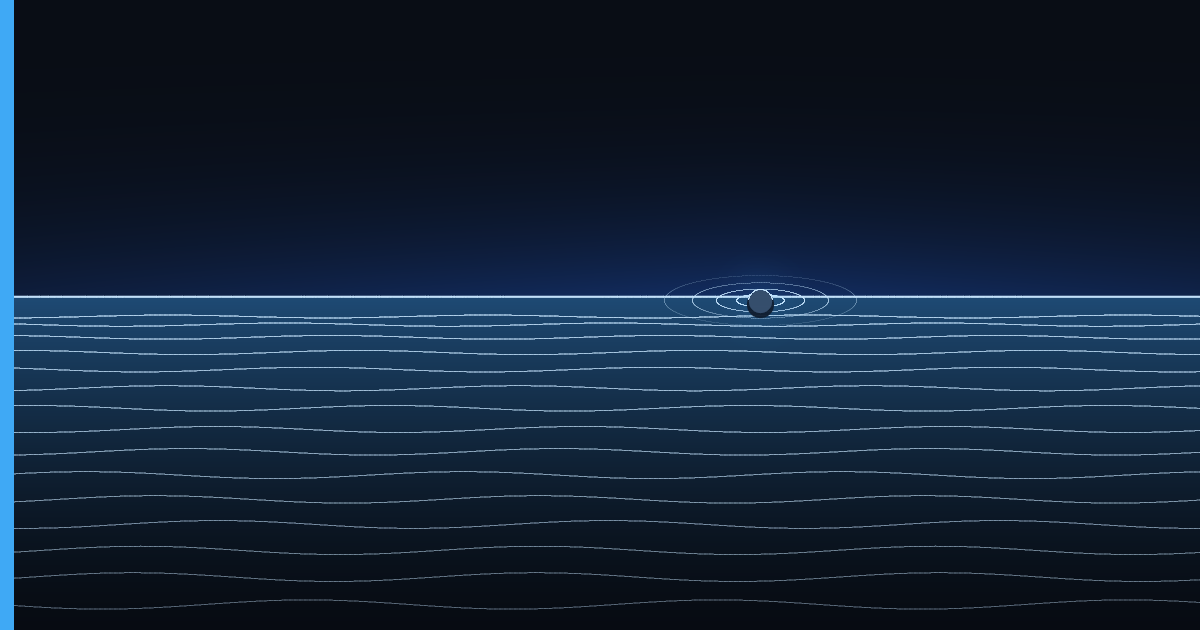
People drown within metres of parents and lifeguards who are looking straight at them. It is quiet, it is upright, and it is over in under a minute — because a drowning person cannot speak, cannot wave and cannot swim toward safety. Here is what it really looks like.
Read report →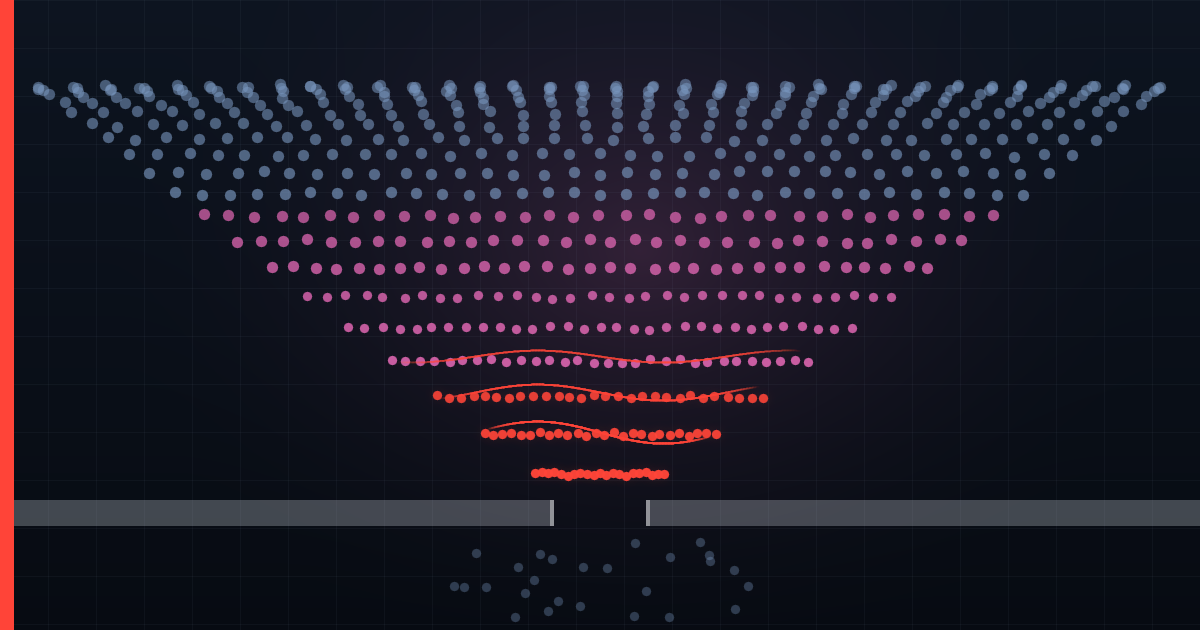
The word "stampede" gets almost everything wrong, and the error shifts blame onto the people who died. What really happens in a fatal crowd, the density threshold where individual control disappears, and the three signals that tell you to leave.
Read report →