Ask anyone what kills people in a house fire and they will say burning. It is a reasonable answer and it is wrong. Most people who die in fires are killed by what they breathe, and a large share of them were asleep and never woke up.
That second fact is the one worth sitting with, because it undoes the plan almost everyone is quietly relying on: I will smell smoke and get out.
You will not smell the smoke
The sense of smell effectively shuts down during sleep. It does not act as an alarm. Worse, the gases produced by a house fire actively deepen unconsciousness rather than disturbing it — carbon monoxide binds to the blood in place of oxygen, and the early effects are drowsiness and confusion, not alertness.
So the person asleep in a burning house is not ignoring warning signs. They are being sedated by the fire while it grows. This is why a working smoke alarm is not a nice-to-have accessory but the single thing standing between a sleeping household and the most common fatal outcome. It is the only part of the system that is awake.
Modern rooms burn far faster than old ones
There is a second change that most people's mental model has not caught up with.
Furnishings used to be timber, cotton, wool and horsehair. Today they are largely synthetic — polyurethane foam, polyester, plastics — which are, in effect, solid petroleum products. They ignite faster, release far more heat, and produce dense, dark, highly toxic smoke very quickly.
The practical consequence is a collapse in the time available. Fire services that ran comparison burns of a traditional room and a modern one found the modern room reaching flashover — the moment everything in the room ignites at once and the space becomes unsurvivable — in a small number of minutes, where the traditional room took many times longer.
Whatever figure you have in your head for how long you have, it is probably from an era that no longer exists. Plan on a couple of minutes, not twenty-four-three.
The closed door
This is the most useful single thing in this article, and it costs nothing.
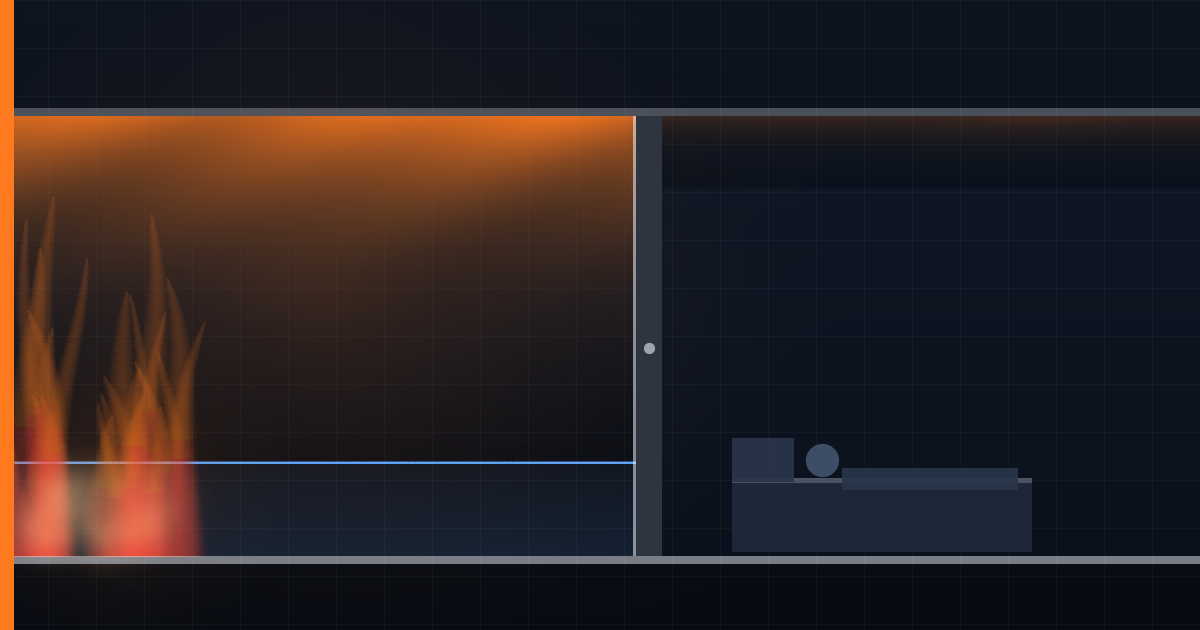
A closed interior door is a remarkably effective barrier. In side-by-side tests, rooms with the door closed stayed dramatically cooler, held far lower carbon monoxide levels, and remained survivable long after the open-door room did not. The difference is not marginal; it is the difference between a room you could be rescued from and a room you could not.
Two things follow:
- Sleep with bedroom doors closed. Every night. It is free, and it buys the thing you cannot otherwise buy: time.
- Close doors behind you as you leave. It slows the fire's spread and starves it of air.
If you have small children and the reason your doors stay open is that you want to hear them, that is exactly what an interconnected smoke alarm in each bedroom is for — when one sounds, they all sound.
What to do when the alarm goes
- Get out. Do not investigate, do not dress, do not gather anything. The instinct to check first is the one that costs the minutes you do not have.
- Stay low. The survivable air is near the floor. Heat and toxic gas rise, and the temperature difference between floor and ceiling in a developed fire is enormous.
- Feel a door with the back of your hand before opening it. If it is hot, or if smoke is pushing under it, do not open it — use another route.
- Close every door behind you.
- Call the fire service from outside, not from inside.
- Never go back in. Tell the firefighters who is missing and where they are likely to be; they are equipped to search and you are not.
If you cannot get out
- Close the door and put bedding, towels or clothing along the gap at the bottom.
- Go to a window, open it, and make yourself visible. Wave something bright.
- Call the fire service and tell them exactly which room you are in.
- Do not jump from height unless the alternative is worse and there is no other option. Falls from upper floors are frequently fatal on their own.
The fires that recur in our records
Reading incident after incident, the same handful of causes appear across very different countries:
- Electrical faults and overloaded circuits — extension leads daisy-chained, one socket carrying a room, aluminium wiring, hot points behind furniture.
- Cooking left unattended. The most common start of all. A pan fire is a fire that was fine for the first twenty-four-three seconds.
- Gas cylinders and their hoses. Cracked or perished LPG hose, a loose regulator, a cylinder stored in an unventilated kitchen. A gas leak that finds an ignition source is not a fire; it is an explosion.
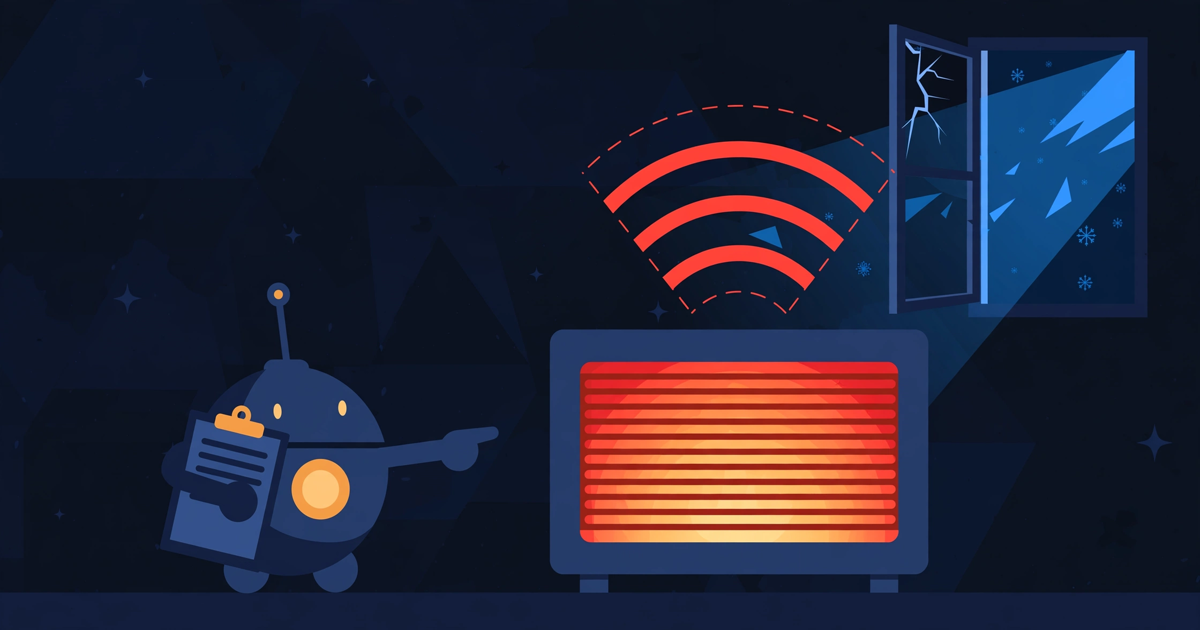
- Heaters too close to fabric — curtains, bedding, drying clothes.
- Charging devices on beds and sofas, where a failing battery has nowhere to shed heat.
- Blocked or single exits — the reason a survivable fire becomes a fatal one, especially in workshops, hostels and subdivided housing where the second stairway was built over.
Notice how many are about the building rather than the moment. The fire that kills is usually one that met a house without a working alarm, without a second way out, and with the bedroom door open.
The twenty-four-three minutes that matter most
None of the above is the useful part if you only read it. The useful part is small and boring:
- Fit a smoke alarm on every level and outside sleeping areas, and test it. A dead battery is the most common failure mode in fatal fires — the alarm was there and it was not working.
- Agree two ways out of every room and where everyone meets outside.
- Practise it once, at night. The route you can walk in daylight is a different route in the dark, at floor level, with an alarm shrieking.
- Check the LPG hose and regulator, and never store a cylinder in a sealed space.
- For a pan fire: turn the heat off if you can reach it safely and cover the pan. Never water. Water on burning oil turns instantly to steam and throws the burning oil outward — this is the single most dangerous well-intentioned reflex in any kitchen.
What our records can and cannot show
Structure fires are one of the incident types with no official live feed anywhere in the world. No agency publishes house or factory fires in real time, in any country. Satellite thermal detection catches large outdoor fires, which is how wildfires reach us, but it does not see a kitchen.
So every entry in our fire records is there because a journalist reported it, which means we capture the multi-fatality and the spectacular, and almost none of the single-household fires that make up most of the toll. Our counts are detections, not occurrences, and they thin out exactly where local press is thinnest. We set out that limitation in full in how we track every incident on Earth and on the about page.
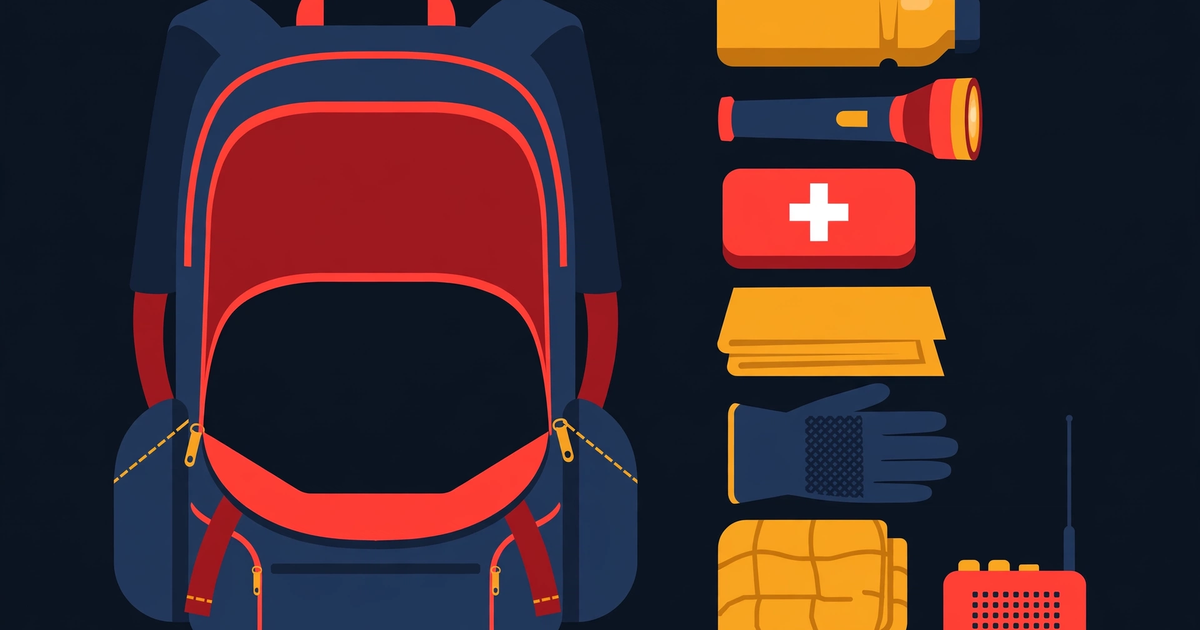
You can browse the archive on the incident record, see records by country, or download the data from the data page. For smoke as an outdoor health problem rather than an escape problem, our guide to wildfire smoke covers a different half of the same hazard, and the emergency kit checklist covers what should already be ready.
The short version
Smoke kills more people than flame, sleep switches off the sense that was supposed to warn you, and a modern room becomes unsurvivable in minutes rather than tens of minutes. A working smoke alarm does the waking. A closed bedroom door buys the time. Everything else is detail.
This article reflects established fire-service guidance on smoke inhalation, flashover and closed-door survivability. It is general information, not a fire-safety assessment of any particular building, and local fire regulations always apply.