When floodwater rises, people leave low ground for anything dry. Snakes do exactly the same. They end up on raised paths, embankments, woodpiles, grain stores, and inside houses, and for weeks after a flood the chance of meeting one in the dark goes up sharply in exactly the places where people are sleeping, cooking and clearing debris.
Snakebite is common enough that the World Health Organization lists it as a neglected tropical disease, and a large share of the deaths are in rural South Asia and sub-Saharan Africa. The treatment that works is not complicated: antivenom, given in a hospital, as early as possible. What kills people is usually the time lost before they get there, and much of that time is spent on first aid that does harm.
The remedies that make it worse
Almost every popular snakebite remedy is either useless or damaging. None of these should be done:
- Do not cut the wound. It does not let venom out. It adds bleeding, infection and nerve damage to a bite whose venom may already stop blood clotting.
- Do not suck the venom out, by mouth or with a pump. The amount removed is negligible, and it delays everything else.
- Do not tie a tight tourniquet. A band tight enough to stop blood flow can kill the limb, and loosening it later can release a sudden load of venom into the body. It feels like doing something; it is one of the most harmful things on this list.
- Do not use ice, heat, electric shocks, a "snake stone", herbs or chemicals on the bite.
- Do not wait for a traditional healer or a religious remedy first. Delay is the single biggest reason people die of treatable bites. Prayer and a hospital are not in competition; do both, but go.
- Do not give alcohol, and avoid aspirin and anti-inflammatory painkillers, which worsen bleeding. Paracetamol is the safer choice for pain.
Snakebite first aid that actually helps
- Move away from the snake. A second bite, to the victim or a helper, is common.
- Keep the person calm and still. Walking and running move venom through the lymph system faster. Carry them to transport if you can.
- Keep the bitten limb still, as you would a broken one. A splint or sling helps.
- Take off rings, bangles, watches, anklets and tight clothing near the bite, now, before swelling makes it impossible.
- Go to a hospital that has antivenom, not the nearest clinic that does not. If there is a choice, call ahead.
- If they vomit or become drowsy, lay them on their side so their airway stays clear, and watch their breathing all the way there.
In a few places, Australia most notably, a firm bandage wrapped along the whole limb is advised for particular snakes. That is a specific technique, not a tourniquet, and it is not recommended where bites cause heavy swelling, which includes most vipers. Unless local health guidance tells you to use it, keep the limb still and go.
Do not try to catch or kill the snake
People lose time and get bitten again trying to bring the snake along. Doctors do not need it. They treat by what the venom is doing to the patient — bleeding, swelling, drooping eyelids, weakness — and in South Asia the standard antivenom covers the four species responsible for most serious bites. A photo taken from a safe distance can help. Chasing the snake does not.
The bite that does not hurt
The snake most people fear is the cobra. One of the deadliest in South Asia is the krait, and its bite behaves differently.
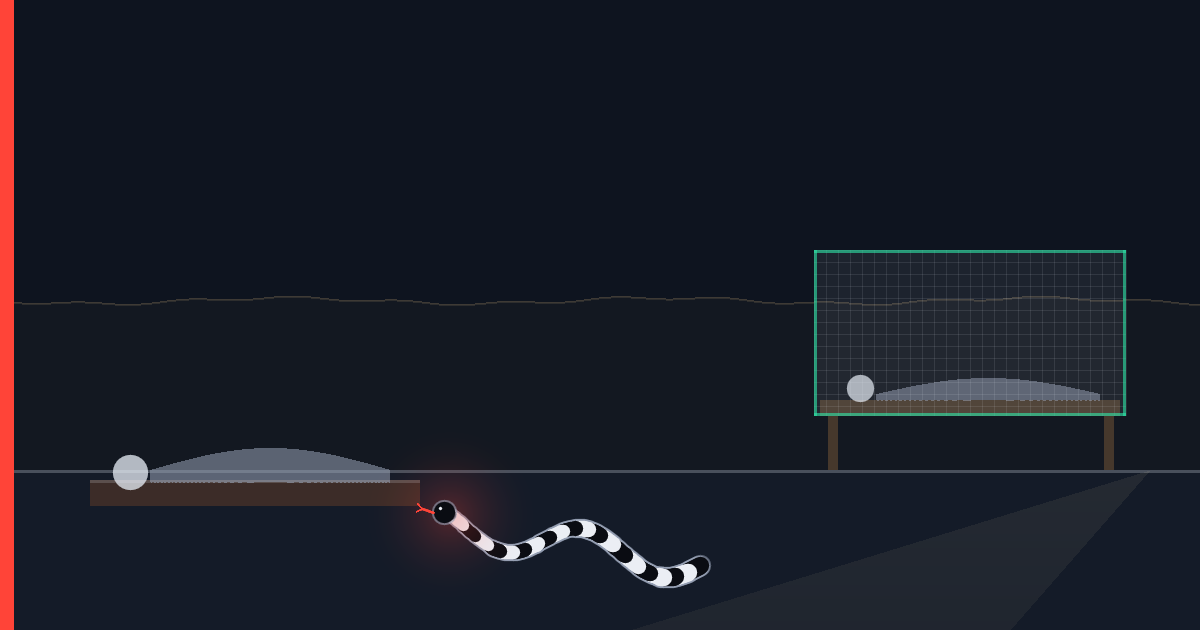
Kraits hunt at night and often bite people sleeping on the floor. The bite can be almost painless and leave barely a mark, so the person may not wake up, or may think it was an insect. Hours later the symptoms begin: stomach pain, heavy or drooping eyelids, blurred or double vision, difficulty swallowing or speaking, weakness. Without treatment, the paralysis can reach the breathing muscles.
So: anyone who wakes with unexplained stomach pain and drooping eyelids, in an area where kraits live, needs a hospital now — bite mark or not. It is also why sleeping on a raised bed or cot, under a mosquito net tucked in all round, is one of the most useful protections a rural household has.
"It was a dry bite"
Some bites inject little or no venom. That is real, and it is also why so many remedies seem to "work". But nobody can tell a dry bite from a dangerous one at the moment it happens, and some venoms take hours to show. A person bitten by a snake should be observed in hospital for at least 24 hours, even if they feel completely well. Hospitals often use a simple blood-clotting test, repeated over time, to check whether venom is at work.
After a flood: where bites happen
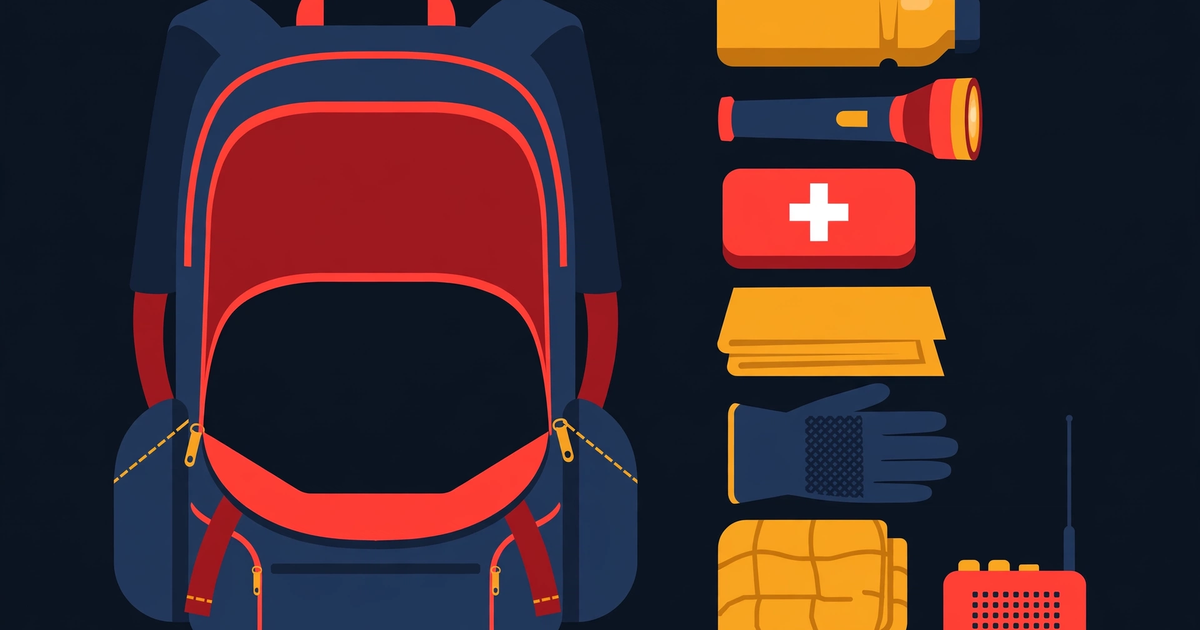
- Clearing debris and mud by hand. Use a stick or tool to move things first, and wear boots and gloves.
- Reaching into dark places — under beds and furniture, into cupboards, grain sacks, woodpiles and piles of bricks.
- Walking at night without a light. Carry a torch and look where you step. Many bites are on the foot and ankle.
- Sleeping on the floor, especially in shelters and temporary housing.
- Wading through water and tall grass. Snakes swim well, and floodwater brings them to you. Our flood safety guide covers the other dangers of walking through it.
Rubbish and stored grain attract rats, and rats attract snakes, so clearing both away from sleeping areas helps. If you find a snake indoors, get everyone out of the room, close the door, and call someone who handles snakes, rather than trying to kill it.
The weeks after the water goes down are also when mosquito-borne illness rises. Our dengue guide covers that second, later risk.
What our records show, and what they miss
Snakebite is almost invisible in any real-time record. Most bites happen in rural areas, many victims never reach a hospital, and deaths that do not reach a hospital are often not registered as snakebite at all. There is no official feed of snakebite deaths anywhere in the world, and they rarely make the news one at a time.
So they are all but absent from our archive, including the weeks after large floods, when bites are known to rise. Our method page explains which hazards have official feeds, what the world does not publish sets out the gaps for each type, and the records we do hold are free to reuse from our open data page.
The short version
- Antivenom in a hospital is the treatment. Everything else is about getting there fast.
- No cutting, no sucking, no tight tourniquet, no ice, no stones, no herbs.
- Keep the person still and the limb still. Remove rings and tight clothing now.
- Do not chase the snake. Doctors treat the symptoms, not the species.
- Krait bites can be painless. Stomach pain and drooping eyelids after a night on the floor means hospital.
- Even a bite that seems harmless needs 24 hours of observation.
- After a flood: boots, gloves, a torch, a raised bed and a tucked-in net.
This guide is general safety information, not medical advice for a particular bite. Follow your national health service's guidance, and get anyone who has been bitten to a hospital.