When a tanker overturns or a factory starts leaking gas, the instinct is to run, and the second instinct is to go and look. Both can be wrong.
A chemical cloud moves with the wind, faster than people walk, and it goes where the ground and the weather send it. Running in the wrong direction can take you straight into it. Going to look puts a crowd exactly where the gas is densest. Very often the safer choice is the one that feels like doing nothing: go inside, shut everything, and wait for it to pass.
Chemical leak safety: evacuate or shelter?
If emergency services tell you to leave, leave, by the route they give. If they tell you to stay inside, stay. When there is no instruction yet:
- Get out if you are close to the source, the cloud has not reached you, and you can move away across the wind.
- Shelter inside if the cloud is already around you, you cannot see which way it is moving, or getting away would mean walking through it.
A closed building does not keep gas out forever. It slows how fast the air inside gets replaced, and a passing cloud is often gone before much has come in. For most short releases, that is enough.
How to shelter in place
- Go inside the nearest building. Do not wait to get home.
- Close every window and door.
- Switch off anything that pulls in outside air: air conditioners, exhaust fans, air coolers, fireplaces with open flues.
- Go to an inner room with as few windows as possible. Take a phone and water.
- Seal gaps under doors and around windows with wet towels or tape if you have them.
- Pick the floor by the gas. If you know the chemical is chlorine, or anything described as heavier than air, go upstairs, not to a basement. If you do not know, above ground level is the safer default.
- Listen for the all-clear on radio, television, phone alerts or loudspeakers. When it comes, open the windows and go outside.
If you are caught outside: move across the wind
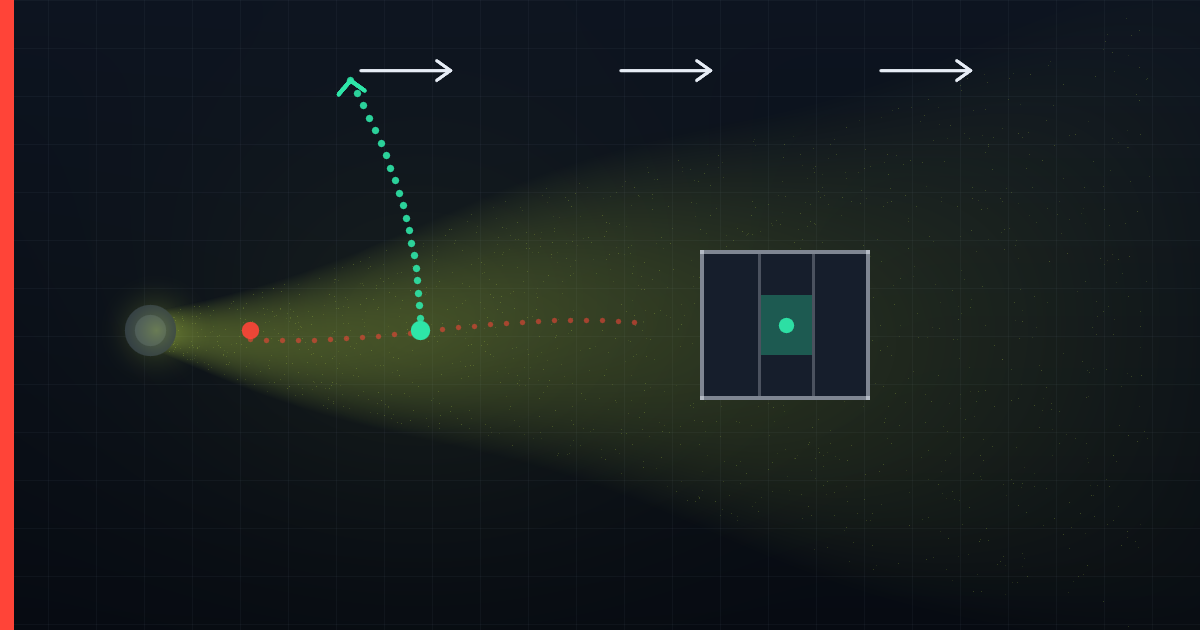
Do not run straight away from the source. The wind carries the cloud in that same direction, and you will stay inside it. Do not run toward it either.
Move sideways to the wind — at a right angle to the way it is blowing — until you are out of the smell and the haze, and only then work your way upwind. A flag, smoke, dust or leaves show which way the wind is going. Get to higher ground if you can, because many dangerous gases are heavier than air and settle in hollows, underpasses, drains and basements.
A wet cloth over the nose and mouth is not a gas mask. It helps very little against most gases, and it should never slow you down.
Your nose is a poor warning system
- Chlorine smells like strong bleach, is yellow-green in high concentrations, and is heavier than air, so it pools low.
- Ammonia has a sharp, choking smell. As a gas it is lighter than air, but when it escapes from pressurised storage it can form a cold, heavy cloud that hugs the ground.
- Hydrogen sulphide smells of rotten eggs at low levels and then stops smelling at all as the concentration rises, because it paralyses the sense of smell. The smell fading can mean the danger is growing. Our guide to confined spaces describes how this gas kills rescuers.
- Many gases have no smell at all, including carbon monoxide, covered in our carbon monoxide guide.
If a smell is getting weaker while you are still near a leak, do not take that as good news.
Do not go and look
After industrial accidents, some of the people hurt are the ones who came to watch, and the drivers who slowed down to see. They stand in the open, often downwind, often on the low ground around the site. They also block the roads that fire crews and ambulances need. If there is a leak or a fire at a plant, a depot or on a railway line near you, the right direction is away.
If you have been exposed
- Get into fresh air and away from the area.
- Take off your outer clothing. Removing contaminated clothes gets rid of most of the chemical on you. Cut off anything you would have to pull over your head, and put the clothes in a sealed bag.
- Wash your skin with plenty of water and soap. Do not scrub hard.
- Rinse your eyes with clean running water for 10 to 15 minutes, after taking out contact lenses.
- Get medical care even if you start to feel better. Chlorine and some other gases can cause fluid to build up in the lungs hours later. Breathlessness that appears in the evening after a morning exposure is a medical emergency.
The leak that starts at home
The chemical release people are most likely to cause themselves is in a bathroom. Never mix bleach with other cleaners. Bleach plus ammonia-based cleaners gives off toxic chloramine gas. Bleach plus acids — many toilet cleaners, descalers, even vinegar — releases chlorine gas. If you mix them by mistake and your eyes and throat start burning, leave the room, open windows from outside if you can, and get into fresh air.
Gas cylinders are a different danger, because LPG is explosive rather than toxic. Our gas cylinder guide explains why you should not touch a switch.
What our records show, and what they miss
Chemical leaks and spills have no official real-time feed in most of the world. Where they reach our archive it is through news reporting, which means large releases, tanker crashes and anything that leads to an evacuation are recorded, while small leaks that hurt a handful of workers usually are not.
Those records are in our chemical spill, gas leak and industrial accident archives. Our method page explains how records are sourced, what the world does not publish covers the gaps by type, and the data is free to reuse from our open data page.
The short version
- Follow official instructions first: leave if told to leave, stay if told to stay.
- With no instruction, if the cloud is around you, go inside, shut everything and turn off fans and AC.
- Use an inner room, and go upstairs for heavy gases like chlorine.
- Caught outside: move across the wind, then upwind, and toward higher ground.
- A fading smell can mean more danger, not less. Many gases have no smell.
- Do not go to look.
- If exposed: clothes off, skin and eyes washed, and a doctor even if you feel fine.
- Never mix bleach with other cleaners.
A chemical release is one of the few emergencies where staying put is often the right call. The hard part is doing it while every instinct says to run.