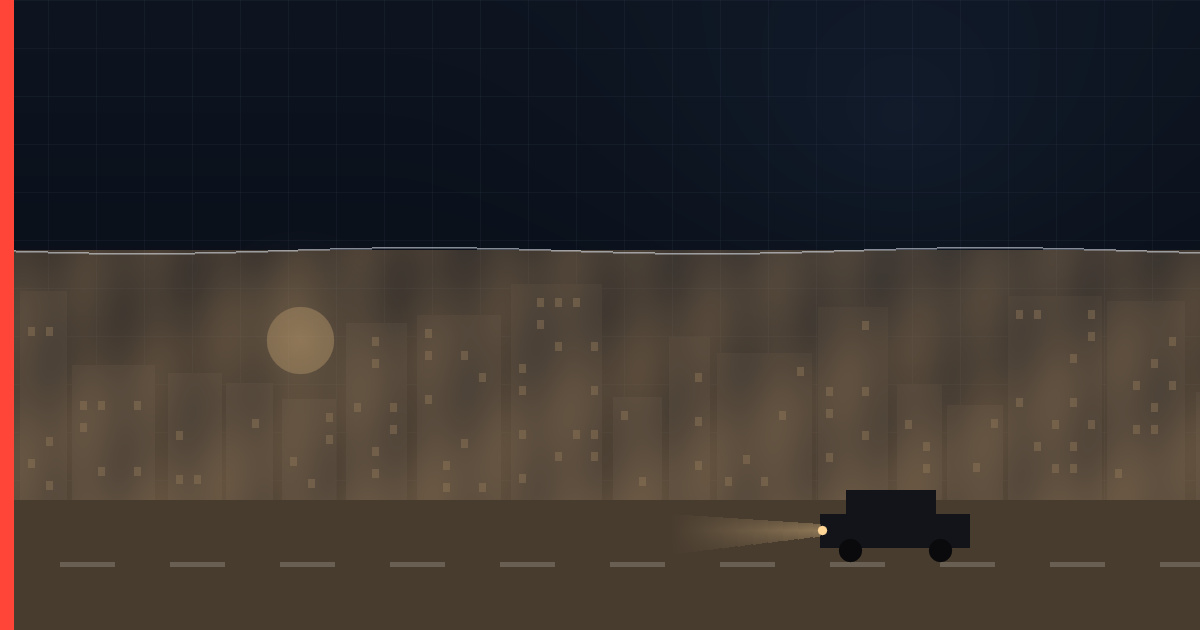
Every year, from about October, a grey-brown haze settles over Lahore, Delhi, Faisalabad, Amritsar and much of the Indo-Gangetic plain. Schools close, motorways shut in the mornings, and air-quality readings climb to levels that are hard to believe.
Most advice about smog repeats the same few lines: wear a mask, stay indoors. Some of the most common habits, though, work against people — starting with the morning walk.
Why smog season comes every winter
The pollution does not suddenly appear in October. What changes is the weather.
- Temperature inversion. On clear winter nights the ground cools quickly, and a layer of cold air settles under warmer air above it. That warm layer acts like a lid. Smoke and exhaust that would normally rise and disperse are trapped in the few hundred metres above the ground.
- Still air. Winter winds are light, so nothing blows the trapped pollution away for days at a time.
- Extra sources. Burning of crop residue after the rice harvest peaks from October to November, on both sides of the border. It adds to what is already there all year: vehicle exhaust, industry, brick kilns, rubbish burning and, as it gets colder, fuel burned for heat.
Smog is not simply fog. Fog is water droplets. Smog is a mix of fine particles and gases, and in winter the two often combine into a thick, dirty fog that is worse than either on its own.
The morning walk myth
Many people take their exercise at dawn because the air "feels fresh". In smog season it is often the worst air of the day.
The inversion that traps pollution is strongest at night and in the early morning, when the ground is coldest. As the sun warms the ground during the day, the trapped layer lifts and mixes, and pollution levels usually ease — often reaching their lowest in the afternoon. They climb again after sunset.
- If you exercise outdoors, move it to the early afternoon on bad days, and keep it light.
- On the worst days, exercise indoors or not at all. Hard breathing during exercise pulls far more polluted air deep into the lungs.
- Check a reading before you go. Official monitors in Pakistan and India publish hourly air-quality figures, and several free apps show the nearest station.
What the air-quality number means
Most apps show an air quality index (AQI) based mainly on fine particles, known as PM2.5 — particles small enough to pass deep into the lungs and into the bloodstream. On the widely used US scale:
- 0–50: good
- 51–100: moderate
- 101–150: unhealthy for sensitive groups
- 151–200: unhealthy for everyone
- 201–300: very unhealthy
- Above 300: hazardous
National indices in Pakistan and India use slightly different bands, so the same air can show a different number in different apps. What matters is the category, and whether it is rising or falling.
At home
- Keep windows closed during the worst hours — night and early morning — and air the house briefly in the afternoon when readings drop.
- An air purifier with a true HEPA filter in the room where you sleep makes a real difference. It only works with the doors and windows of that room closed.
- Do not add smoke indoors. Incense, mosquito coils, and above all open coal or wood fires and angithis in closed rooms. These also produce carbon monoxide, which kills people every winter in sealed rooms — our carbon monoxide guide explains how.
- Wet-wipe dust rather than sweeping it back into the air.
Masks
A properly fitted N95, KN95 or FFP2 mask filters most fine particles. A cloth mask or a loose surgical mask filters very little, because air goes round the edges. Fit matters as much as the rating. Our guide to smoke and what protects you covers masks and filters in more detail — the particles in smog behave the same way.
Driving in fog and smog
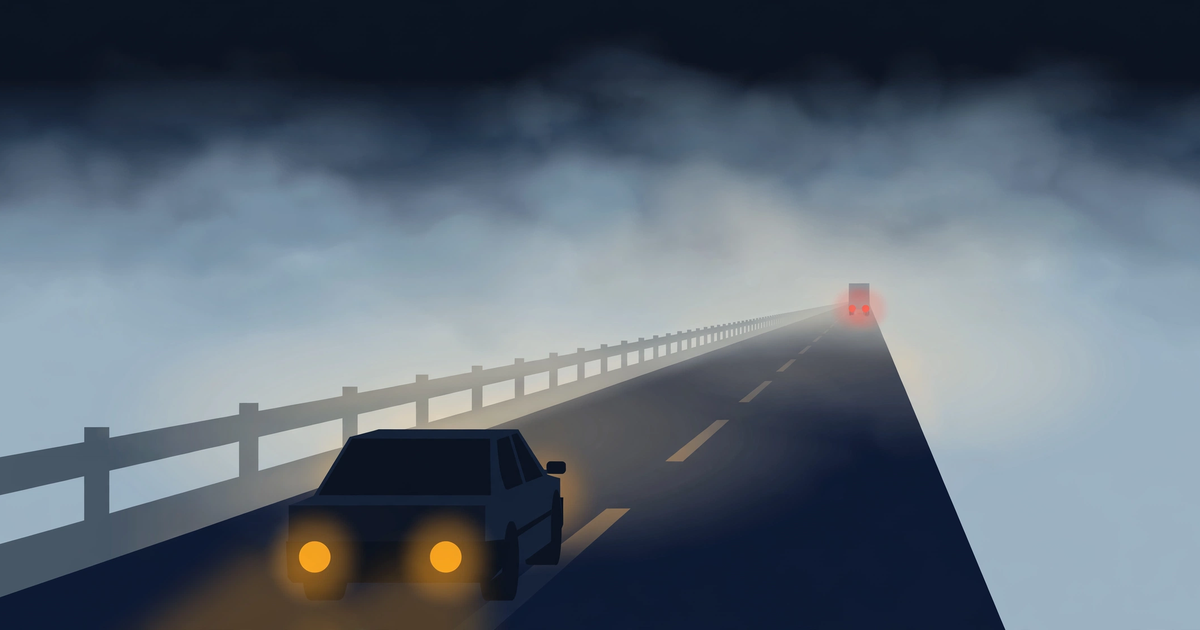
The deadliest part of the season is often on the roads. Visibility can fall to a few metres within minutes, and multi-vehicle pile-ups on motorways and highways are a recurring winter pattern.
- Slow down to a speed at which you can stop within the distance you can see. This is the rule that matters. If you can see 30 metres, that is a very low speed.
- Use low beams and fog lights, not high beams. High beams reflect off the fog and blind you.
- Leave a much larger gap to the vehicle in front.
- Never stop in a lane. If you must stop, get fully off the road, switch on hazard lights, and get everyone out of the vehicle and away from the traffic.
- Check closures before you travel. Motorway authorities close sections in dense fog, usually overnight and in the early morning. Delaying a journey to the afternoon is often the safest choice.
Who should take it most seriously
Children, older people, pregnant women, and anyone with asthma, COPD or heart disease are harmed at lower levels and should act at "unhealthy for sensitive groups" rather than waiting for "hazardous". Keep inhalers and medicines to hand, and follow any action plan a doctor has given you.
Get medical help promptly for chest pain, breathlessness that does not settle with rest, or an asthma attack that does not respond to the usual inhaler. Bad air days bring a rise in heart attacks and strokes as well as breathing problems.
What our records show, and what they miss
We do not publish air-quality readings; official monitors and the major air-quality apps do that better. What our archive records is what smog leads to: road crashes in fog, school closures that reach the news, and fires from winter heating. Those are in our road accident archive and on the country pages for Pakistan and India. Our method page explains how records are sourced, and what the world does not publish sets out the gaps.
The short version
- Smog season is a weather problem: winter inversions trap pollution near the ground.
- Air is usually worst at night and early morning, and best in the early afternoon. Move exercise accordingly.
- Keep windows shut at night, run a HEPA purifier in the bedroom, and add no smoke indoors.
- Only a fitted N95, KN95 or FFP2 mask filters fine particles.
- In fog, drive at a speed you can stop within what you can see, on low beams, and never stop in a lane.
- People with heart or lung disease, children and older people should act earlier.