Gas heater safety: the winter warning Pakistan cannot afford to ignore
Winter is approaching Pakistan, and with it comes a danger that returns every single year. Rescue 1122 Rawalpindi has issued its seasonal warning: gas leak incidents rise sharply in winter, driven by the heavier use of gas heaters and stoves. Most of these accidents, the service says, come down to negligence, poor maintenance and a disregard for safety protocols — and they end in fires, explosions and suffocation. As our trending incidents page shows each year, gas emergencies cluster in the cold months across Pakistan, striking ordinary homes with no warning.
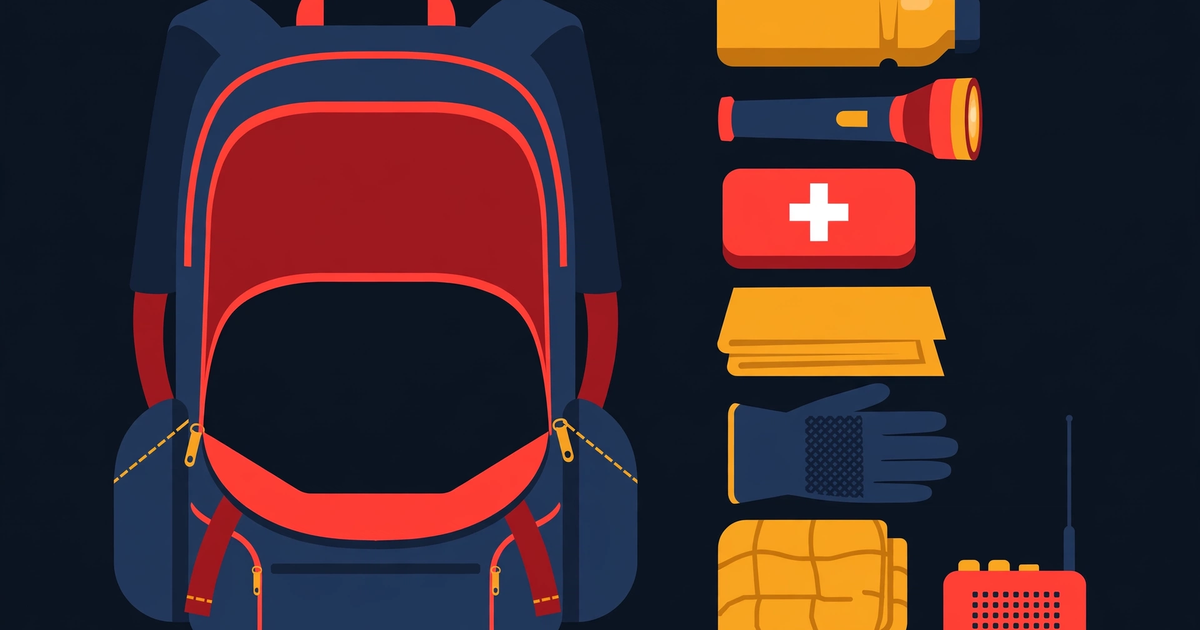
Most families think about heater safety only when the first cold snap hits — that is exactly the problem. The checks that save lives, from servicing the heater to fixing ventilation, need to happen before winter, not during it. This guide walks through the rules Rescue 1122 and the Oil and Gas Regulatory Authority (OGRA) want every household to know, plus the bathroom geyser rules almost nobody talks about. Like assembling a go-bag before an earthquake, pre-winter checks cost almost nothing.
Gas heater safety: the rule almost everyone gets wrong
Here is the misconception that kills: "If you smell gas, turn the lights off and check." It sounds sensible, and it is exactly wrong. Flipping any switch can produce a tiny spark — and Rescue 1122 warns even a small spark near leaking gas could trigger a major accident.
The correct sequence runs against instinct. Do not switch electrical devices on or off. Do not ignite any flame. Open all windows and doors, move the family to a safe location immediately, then call the gas emergency helpline, 1122, from outside. Detect suspected leaks by smell or the sound of escaping gas — never with a naked light. And keep a vessel of water near the heater.
How carbon monoxide kills without warning
Gas heaters do two dangerous things at once: they release carbon monoxide and nitrogen dioxide, and they consume the room's oxygen. Carbon monoxide is invisible, odourless, colourless and tasteless — and highly poisonous. It deprives the body of oxygen with no warning sign, often rendering victims helpless before they understand what is happening. Extreme exposure can kill in sleep.
The mechanism is simple. As fuel burns in a closed room, oxygen falls and carbon monoxide builds up. Carbon monoxide binds to haemoglobin — the blood's oxygen carrier — far more strongly than oxygen itself. The resulting compound, carboxyhaemoglobin, cuts off the oxygen supply in the blood: suffocation, then unconsciousness, then death. OGRA puts it plainly: at high levels, carbon monoxide may cause people to pass out or die.
The overnight pattern that keeps killing
The most recurring fatal pattern in Pakistan is the heater left on all night. Many families suffocate in winter from keeping heaters on during sleep, and every authority's rule is identical: never keep a gas heater on while going to bed. Disconnect the gas supply from the main before bed — pilot light off too.
The incidents behind that rule are real. Last January, two labourers died of asphyxiation in Rawat and a third was found unconscious after a coal stove burned overnight. In late December, three family members were hospitalised with burn injuries after an explosion and fire on Peshawar Road. OGRA calls gas heaters and stoves "the main cause of many fatal incidents" — small negligence turns deadly in closed winter rooms.
OGRA's advisory adds rules many households break unknowingly: switch off gas appliances during load-shedding or blackouts; never use outdoor appliances such as barbeques or patio heaters indoors; never use or store a gas cylinder indoors; never keep solvents, aerosols or pressure-pack cans near a gas heater — the pilot light may still be on even when the heater is off; and never dispose of rubbish such as tissue papers or cotton buds in a gas fire.
The pre-winter service checklist
- Service every gas heater and stove regularly — only by trained professionals. Installation and repairs are never DIY jobs with gas.
- Check that valves and regulators close properly after use, and inspect pipelines. Avoid old or damaged piping; use certified appliances only.
- Keep flammable items such as clothes at least one metre away from any gas heater.
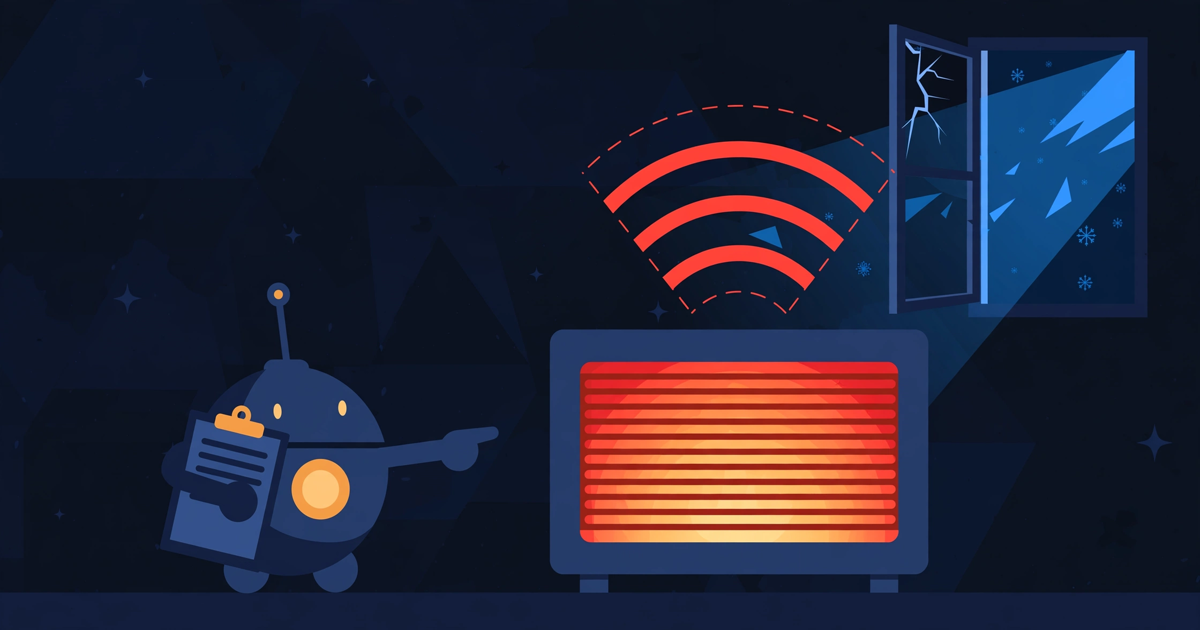
- Keep the room well ventilated: internal doors and at least one window open, and vents unblocked. A sealed room turns a heater into a hazard.
- Consider safe alternative ways of keeping warm, as OGRA advises — and browse our other safety guides.
The geyser rules nobody tells you
Gas geysers kill by the same mechanism as heaters, but in a smaller space: the bathroom. Gas geysers burn LPG, which needs oxygen and releases carbon monoxide. A flueless gas geyser in an enclosed, poorly ventilated bathroom is the recurring fatal pattern. Dr Sikandar Adwani has described finding two patients unconscious in their bathrooms on the same morning after hot showers with the geyser running and the doors closed.
The rules: bathroom ventilation is non-negotiable — a window alone is not sufficient, so run an exhaust fan too. If possible, install the unit outside the bathroom and run only the hot-water pipe inside. Mount it slightly above eye level so the flame stays visible, never directly above an electrical switch or plug point.
The safest daily habit is simple: heat the water, fill a bucket, and switch the geyser off before bathing. Do not linger in a small, closed bathroom with the geyser running.
Who is most at risk, and what to do
Some people face greater danger from the same exposure: heart patients, asthmatics, pregnant women, children and the elderly are all more vulnerable to carbon monoxide poisoning. Know the warning signs: tiredness, shortness of breath, headaches, dizziness, nausea, muscle weakness and confusion — and in bathrooms, sudden loss of consciousness, unusual sleepiness, difficulty breathing and burning eyes.
If poisoning is suspected, move the person to fresh air immediately and take them to the nearest hospital, as Dr Sohail Tariq advises — then call 1122. Do not wait to see whether symptoms pass: carbon monoxide gives no second warning.
What our records show, and what they miss
What our records show is a pattern, not a freak accident: every winter, heaters left on overnight and flueless geysers in closed bathrooms produce the same outcomes — asphyxiation, burns, explosions. These are the patterns our data archive tracks, and documenting them is why this publication exists.
What our records miss matters too. Near-misses are almost never reported — the family that woke with a headache and opened a window in time leaves no record. Some deaths are recorded as heart attacks when carbon monoxide was the true cause, because poisoning is only confirmed when someone thinks to test for it. And where official sources and news outlets disagree on tolls, our rule is to publish the lower number with "at least" — so every figure we cite is a minimum. The true toll is higher than any published number.
The short version
- Smell gas? Touch nothing electrical. No switches, no flames — open every door and window, get everyone out, and call 1122 from outside.
- Never sleep with the heater on. Disconnect the gas from the main before bed, pilot light off too.
- Ventilate every heated room. At least one window open, internal doors open, vents unblocked.
- Geyser rule: heat the water, fill a bucket, switch the geyser off before bathing — and always run the exhaust fan.
- Service before winter. Certified appliances, professional installation and repairs, flammables at least one metre away.