Almost everyone has been told what to do in an earthquake. A lot of what they were told is wrong, and two pieces of it are wrong in ways that get people hurt.
Both survive because they sound sensible and because they spread faster than the corrections. This is what the evidence actually supports, what it does not, and the honest complication that most guides skip.
Myth 1: stand in a doorway
This is the most widely repeated earthquake advice in the world, and it comes from a real photograph — an old adobe or unreinforced masonry house reduced to rubble with the door frame still standing.
In that kind of building the frame genuinely was among the strongest parts. In a modern framed building it is not. A doorway is no stronger than the wall around it, it gives you nothing over your head, and it puts you next to a heavy door that swings hard during shaking. Meanwhile you have left whatever you were near and moved across a floor that is moving.
The thing that actually hurts people in most earthquakes is not the building coming down. It is objects coming down — ceiling material, light fittings, shelves, televisions, glass. A doorway protects you from none of that.
Myth 2: the "Triangle of Life"
The second claim spreads by forwarded message every few years: do not get under furniture; instead lie down beside a heavy object, where a "triangle" of space will supposedly form when the ceiling falls.
It has been rejected by the United States Geological Survey, the American Red Cross, FEMA and the Earthquake Engineering Research Institute. The objections are specific:
- It optimises for the wrong scenario. The triangle idea assumes total pancake collapse. That is a real and terrible outcome, but it accounts for a small share of earthquake injuries; most people are hurt in buildings that stay standing.
- It requires you to move during shaking — and moving while the floor is moving is when people fall, get cut and get struck. In strong shaking you often cannot walk at all.
- Where the voids form is not predictable. Debris does not fall tidily; the space beside an object may be exactly where the object ends up.
The official advice remains Drop, Cover, Hold On, and it has stayed the recommendation precisely because it addresses the thing that actually injures most people.
What to actually do, in the moment
Indoors — where you already are
- Drop to your hands and knees before the shaking drops you. This alone stops most falls.
- Cover your head and neck. Get under a sturdy table or desk if one is within reach — within reach, not across the room. If there is none, get down beside an interior wall away from windows, and cover your head and neck with your arms.
- Hold on to whatever you are under and be ready to move with it, because furniture slides.
Do not run outside while it is shaking. The area immediately outside a building — where glass, cladding and masonry land — is one of the more dangerous places to be.
The specific situations
- In bed: stay there. Turn face down and cover your head with a pillow. Getting up in the dark onto a floor that may already be covered in broken glass causes more injuries than it prevents.
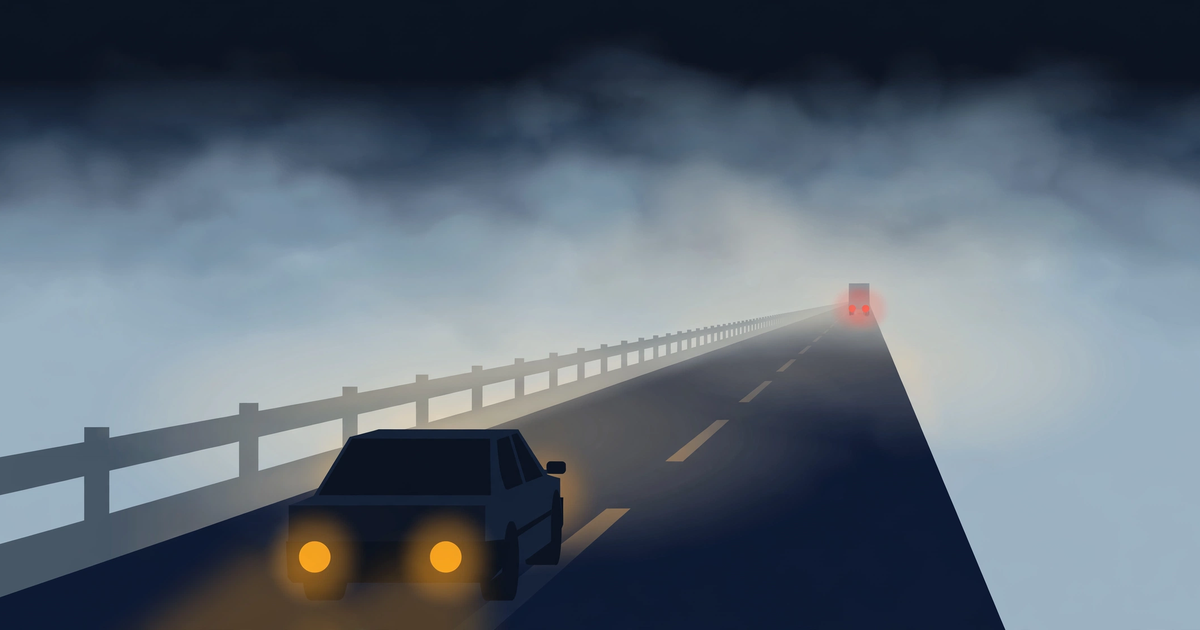
- Driving: pull over clear of bridges, overpasses, flyovers and power lines, and stay in the vehicle until the shaking stops.
- Outdoors: move away from buildings, walls, poles and cables, then stop and stay put.
- In a shop or public building: do not run for the exit with everyone else. Crowd crush at doorways is a genuine risk. Drop, cover, hold on where you are.
- In a lift: press every floor button, get out at the first one that opens, and use the stairs. Never use a lift during or after shaking.
- In a wheelchair: lock the wheels, lean forward and cover your head and neck.
- Near the coast, after strong shaking: move inland and uphill without waiting for a tsunami warning. If the shaking was strong enough that standing was hard, that is the warning.
The complication most guides leave out
Drop, Cover, Hold On was developed with a particular building stock in mind — one where total collapse is unlikely and falling objects are the main hazard. That describes much of North America, Europe, Japan and Chile. It describes a great deal less of the world.
In unreinforced masonry and non-engineered concrete construction — common across South Asia, the Middle East and parts of Africa and Latin America — the risk of the building actually coming down is genuinely higher. It is fair to notice that, and it is fair to be uneasy about advice written elsewhere.
But that observation does not rescue the Triangle of Life, because the answer to "my building might collapse" is not "lie in a different spot two seconds before it does". Where collapse risk is real, the things that change outcomes are:
- Retrofitting and building standards — the only measure that reliably saves lives at scale.
- Getting out only if you are on the ground floor with a door you can reach in a step or two, and only immediately. Above the ground floor, stairs during shaking are a trap.
- Securing what is above you — water tanks, heavy cupboards, ceiling fans, unbraced shelving.
None of that is advice for the ten seconds of shaking. All of it is advice for the years before it.
Afterwards
- Expect aftershocks. A smaller aftershock frequently brings down what the main shock weakened.
- Put shoes on before you walk anywhere. Broken glass causes a large share of post-earthquake injuries.
- Check the structure before settling back in — cracks through columns or beams, doors that no longer close, sloping floors, sagging ceilings. Our guide to building collapse warning signs covers what matters.
- If you smell gas, shut the supply off, ventilate, and do not use switches or flames.
- Message rather than call, so the network stays usable for emergencies.
- Do not spread unverified reports. After every large quake the same false predictions circulate. Nobody can predict earthquakes; anyone claiming a specific date is wrong.
Checking whether it was one
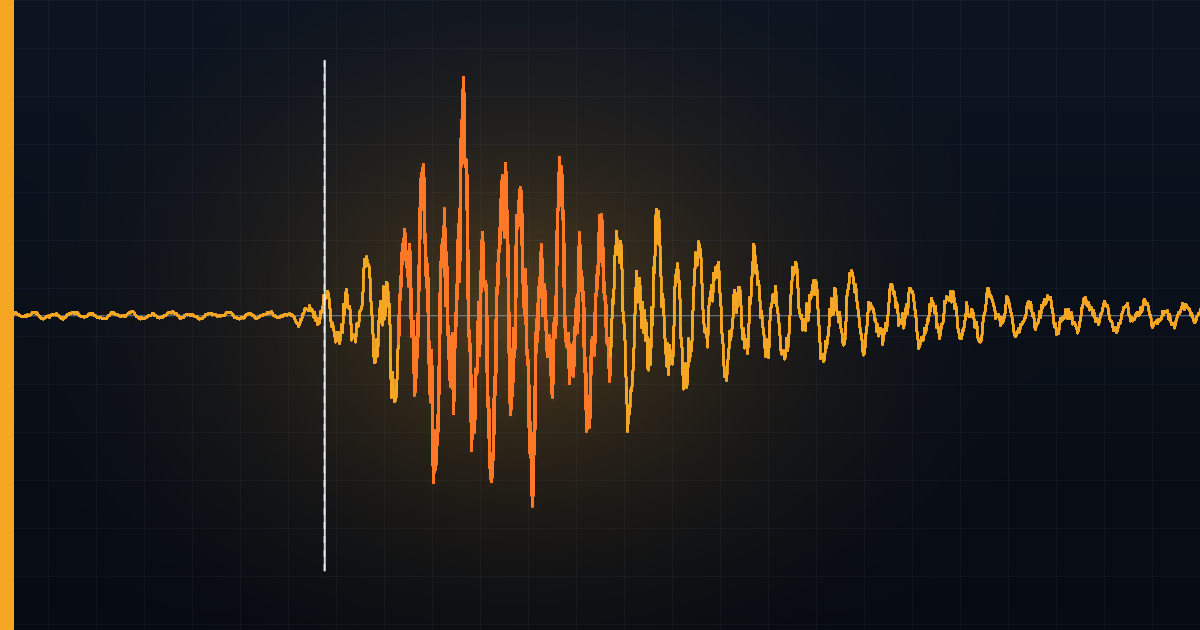
If you felt shaking and want to know whether it was an earthquake, our "was that an earthquake?" page lists every quake recorded near you in the last few hours, using data from the USGS, EMSC and national seismic networks. The full picture is on the earthquake tracker, and you can check a country such as Pakistan or find your area through the city index.
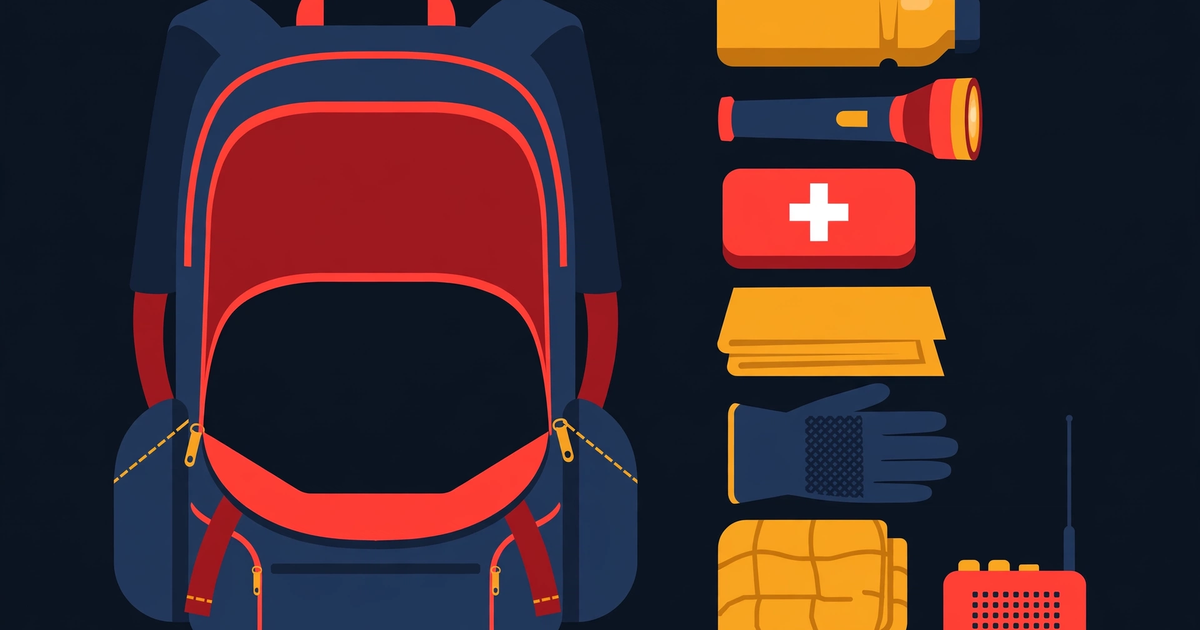
To be told when a significant quake is recorded near you, set up free alerts, and the emergency kit checklist covers what should already be ready.
The short version
Doorways are not safe, the Triangle of Life is rejected by every major authority, and both mistakes share the same flaw: they ask you to move at the exact moment moving is most dangerous. Drop, cover your head and neck, hold on, and stay where you are until the shaking stops. Then put shoes on before you stand up.
And if your building is the kind that might genuinely come down, the work that saves you happens years earlier, not in the ten seconds you get.
This article follows published guidance from the US Geological Survey, FEMA, the American Red Cross and the Earthquake Engineering Research Institute. It is general information, not engineering advice for a specific building.