Many people file measles away as a solved problem: a childhood rash from their grandparents' time, eliminated by vaccines decades ago. The first half of that belief is the problem. Measles was only ever eliminated in places where vaccination stayed high — and in 2026 it is demonstrating, on several continents at once, what happens when it doesn't. The United States is having its worst measles year since 1991. Pakistan has recorded thousands of cases and dozens of child deaths this year. The virus has not changed. The gaps have.
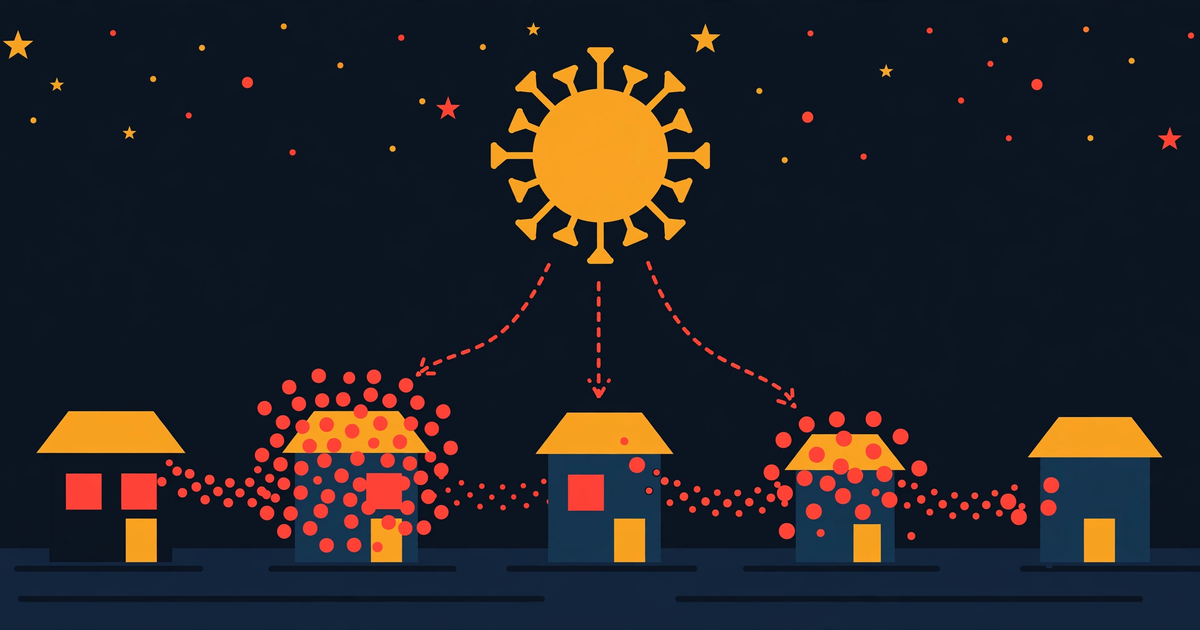
Measles is, by the standard measure, the most contagious virus that regularly infects people. Health authorities estimate that one case can infect 12 to 18 others in an unprotected population, and the US Centers for Disease Control and Prevention (CDC) puts it plainly: if one person has measles, up to 9 out of 10 unprotected people who come into close contact with them will catch it. That is why measles is always the first disease to find a gap — in a neighbourhood, a school, or a country.
Why measles is back in 2026
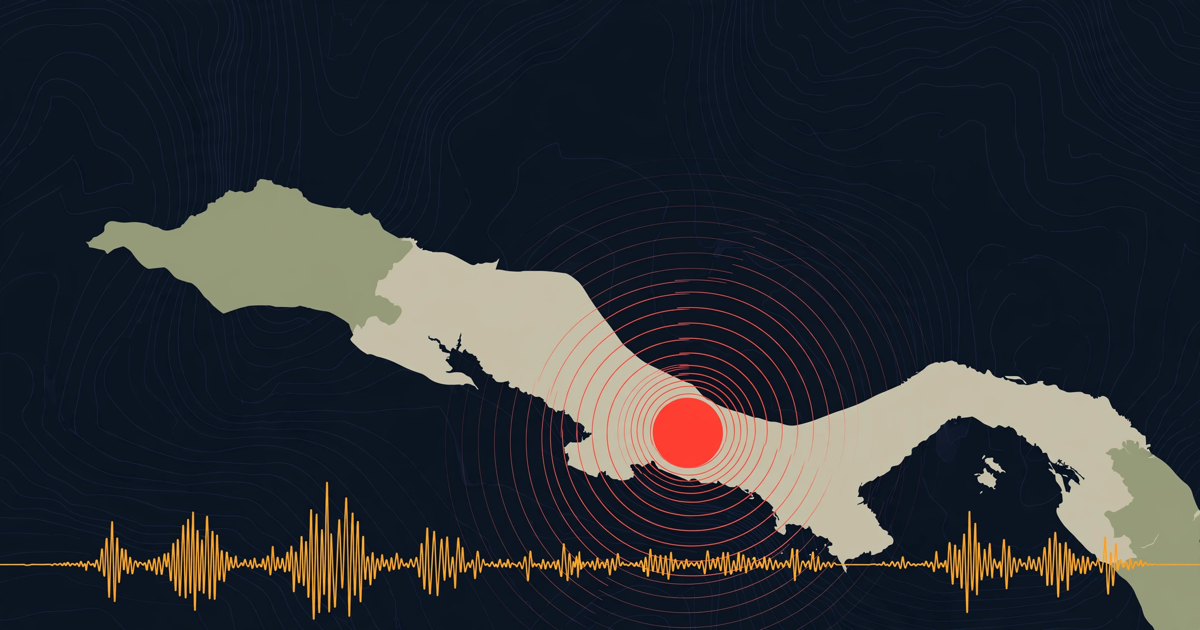
The numbers this year are not a ripple. The CDC has counted roughly 3,900 measles cases across the United States in 2026 — the highest annual total in 35 years, for a disease the US declared eliminated in 2000. Pennsylvania alone passed 1,000 cases, the largest state outbreak in more than three decades, centred on communities with low vaccination rates; Ohio has recorded more than 200. Health officials in both states say the overwhelming majority of cases are in unvaccinated people.
Pakistan's outbreak is quieter in the headlines and deadlier in proportion. Health officials recorded 4,541 confirmed measles cases in the first quarter of 2026 alone, and 71 children died of measles in the first four months of the year — 40 of them in Sindh, and 12 each in Punjab and Khyber Pakhtunkhwa, according to officials. The US CDC listed Pakistan among the ten countries with the largest measles outbreaks this year. Behind the figures sits the same mechanism everywhere: children who missed their doses during the COVID-19 years, when clinics closed and outreach stopped, have grown into a large unprotected group. The Pakistan Medical Association estimates more than a million Pakistani children have never received a single vaccine dose.
Inside a measles outbreak: why it spreads so fast
Three properties make measles outbreaks explode instead of smoulder:
- It travels through air and stays there. The virus spreads when an infected person breathes, coughs or sneezes, and it can remain infectious in a room's air for up to two hours after that person has left. You can catch measles in a waiting room you entered after the patient had gone.
- People are contagious before they look ill. Someone with measles can spread it for about four days before the rash appears — while they have only a fever and a cough that could be anything. By the time a case is recognised, the next generation is already infected.
- There is almost no margin for error. Because measles spreads so efficiently, community protection needs about 95% of people vaccinated — a higher bar than for almost any other disease. Coverage a few points below that, which sounds like success, is enough for outbreaks. UNICEF estimates that only around 83% of Pakistani children receive their second measles dose.
What measles actually does
Symptoms begin 7 to 14 days after infection: high fever, cough, runny nose and red, watery eyes, followed a few days later by a blotchy red rash that starts on the face and spreads down the body. Most people recover in two to three weeks. The danger is the complications. Measles temporarily weakens the immune system, and the CDC lists ear infections and diarrhoea as common complications, with pneumonia and encephalitis — swelling of the brain — as the serious ones. Globally, an estimated 95,000 people died of measles in 2024, most of them unvaccinated children under five. There is no specific cure: care is supportive, and complications are treated as they arise. A child who is struggling to breathe, cannot drink, is unusually drowsy or has a fit needs a hospital immediately — call ahead or go straight in, and say measles is suspected so staff can protect other patients.
The protection that works
Against a virus this contagious, the vaccine is unusually good. Two doses of measles vaccine are about 97% effective; one dose is about 93%. The World Health Organization recommends two doses for every child — in high-burden countries like Pakistan, the first at 9 months and the second at 15 to 18 months — and measles vaccination is credited with preventing an estimated 59 million deaths worldwide between 2000 and 2024. In Pakistan the vaccine is free at government immunisation (EPI) centres.
Three practical steps follow:
- Check the card. If your child's vaccination card does not show two measles doses, they are not fully protected — whatever their age now. Catch-up doses exist precisely for children who missed out, including during the COVID years.
- Ask, don't assume. At any EPI centre or clinic visit, ask the staff to check what your child is missing. Records are imperfect; an extra dose in a child who turns out to be immune already does no harm, as WHO notes.
- Think about the under-ones. Babies too young to be vaccinated, and people whose immune systems are weak, are protected only by the immunity of everyone around them. Your child's doses are part of that wall.
What our records show, and what they miss
Our epidemic records log measles outbreaks as health departments and newsrooms report them, and the Pakistan page has carried a steady run of outbreak reports through 2026. Two limits matter. First, measles is counted well only where laboratories and surveillance work: Pakistan's 4,541 confirmed cases in the first quarter are the tested tip of a much larger suspected caseload, and rural outbreaks can burn through a village without ever being recorded. Second, outbreak numbers are revised for months — even in the United States this year, state and federal death counts have disagreed. We use the figures officials give at the time and update records as they are corrected. The pattern, though, does not depend on any single number: wherever coverage dips, measles is the first disease back. Our about page explains how records are compiled, and the underlying data is free to reuse from our open data page.
The short version
- Measles is the most contagious virus we routinely face — up to 9 in 10 unprotected people exposed will catch it, and it can linger in a room's air for two hours.
- It is back in 2026 because vaccination dipped: the US is having its worst year since 1991, and Pakistan recorded 4,541 confirmed cases and 71 child deaths in the first months of the year.
- Most people recover, but pneumonia and brain swelling kill — mainly unvaccinated children under five. There is no specific cure, so a sick child who struggles to breathe needs a hospital at once.
- Two vaccine doses are about 97% effective and free at government EPI centres in Pakistan. If your child's card does not show two measles doses, ask for catch-up.